Artemis
Play Artemis
Artemis Screenshots
































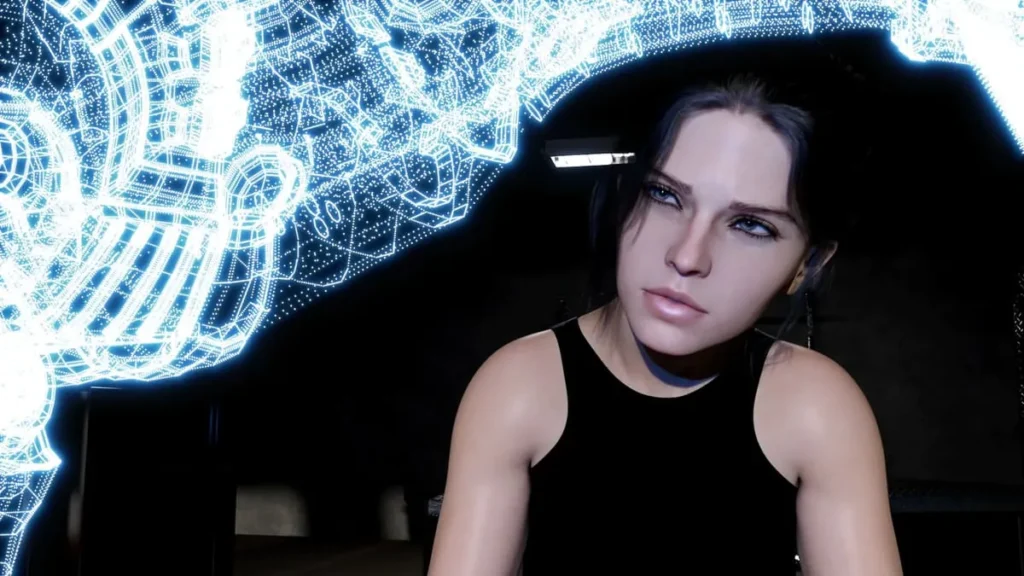


Artemis review
A practical, personal walkthrough and strategy guide for Artemis
Artemis is a mature-themed indie game that blends visual-novel storytelling with choice-driven gameplay, offering players an immersive experience centered on character relationships and branching narratives. In this guide I dive into Artemis from a player’s perspective, sharing hands-on tips, memorable moments from my playthroughs, and practical advice for getting the most from the game. Whether you’re exploring Artemis for the first time or aiming to complete every arc, this article will walk you through mechanics, navigation, progress strategies, and community resources to level up your experience.
Getting Started with Artemis: Installation, Settings, and First Play
So, you’ve decided to dive into Artemis 🚀. Excellent choice! I remember that mix of excitement and slight overwhelm when I first booted it up. Where do you even begin? This beginner guide Artemis is here to turn that nervous energy into pure, unadulterated fun. We’ll walk through everything from the technical setup to those crucial first moments in-game, sharing the tips and hard-earned lessons from my own playthrough. Think of this as your friendly, practical roadmap to getting started on the right foot.
System requirements and installation tips
Let’s get the practical stuff out of the way first. Nothing kills a vibe faster than technical hiccups. Luckily, Artemis isn’t a beast that demands a top-tier gaming rig. For most modern computers, it should run smoothly. The key Artemis system requirements are fairly modest. You’ll want a relatively recent operating system (Windows 10 or later, or a current macOS), a decent processor, a few gigabytes of RAM, and enough storage space for the game and your saves.
The actual Artemis installation process is a breeze. You can find the game on major digital platforms. Once you purchase it, the download manager will handle the rest. The file size is quite reasonable for a narrative-rich experience—think in the range of a couple of gigabytes, not dozens. My pro-tip? After installation, before you jump in, check the game’s official page or community hub for any day-one patches or updates. I’ve learned the hard way that skipping this step can sometimes lead to odd glitches in early scenes! Applying these ensures you get the smoothest, most polished version of the story right from the start.
To give you a quick visual reference, here’s a breakdown of what you can typically expect:
| Platform | Typical File Size | Recommended Initial Settings |
|---|---|---|
| PC (Windows) | ~2.5 GB | 1920×1080 Resolution, Text Speed: 4/5 |
| Mac | ~2.3 GB | Default Retina Resolution, Text Speed: 4/5 |
| Linux (if supported) | ~2.5 GB | Native Monitor Resolution, Text Speed: 4/5 |
These are just baselines to get you running. The real magic happens in the settings menu, which we’ll dive into next. The most important part of the Artemis installation is just ensuring you have a dedicated folder or drive with enough space and that you let any auto-updates complete. Then, you’re ready to configure your experience.
Key settings to adjust before your first session
This is arguably the most important step for your comfort and enjoyment. Jumping straight into the default setup can work, but tweaking a few things will make your journey with Artemis infinitely better. This Artemis settings guide is based on my own trial and error. Trust me, a few minutes here will save you frustration later.
First, head to the Display or Graphics settings. If you have a standard 1080p monitor, the game will likely default to it. But if you’re on a laptop or a higher-resolution screen, double-check that the resolution matches your native display for the sharpest image. I once played for an hour wondering why everything looked slightly fuzzy before realizing I was on the wrong resolution! 😅
Next, and this is the big one for a text-heavy game: Text Speed and Auto-Advance. Artemis is a story-first experience. You don’t want text blazing by before you’ve finished reading a poignant line. I recommend setting the text speed to just below the maximum. This gives you a comfortable, steady flow that you can still click through if you’re a faster reader. Turn off Auto-Advance for dialogue entirely at the beginning. You want complete control over the pacing, especially when making choices. This is a cornerstone piece of advice for any Artemis first play tips.
Now, swing by Audio. The soundtrack and voice acting (if present) are huge atmospheric contributors. Balance the music, sound effects, and voice sliders to your taste. I personally turn the music down to about 70% and keep voices at 100% to ensure I catch every whispered secret or emotional inflection.
Finally, don’t skip the Accessibility options. Even if you don’t typically use them, look for features like:
* Text Size/Opacity: A lifesaver for long sessions.
* High-Contrast Text or Background Tints: Makes reading against varied backgrounds much easier.
* A button to hide sprites/backgrounds: This can reduce visual clutter during key conversations.
Configuring these settings is a vital part of your Artemis installation setup routine. It transforms the game from a generic software into your personalized storybook. Think of it as adjusting the seat and mirrors before a long, amazing road trip.
First-play walkthrough: pacing, save strategy, and early choices
Alright, the stage is set. You’ve clicked “New Game.” The title screen fades, and the story begins. Let’s talk about how to approach this first session. My Artemis first play tips are all about balance: between exploration and pacing, and between committing to choices and keeping your options open.
Pacing and Exploration:
The opening chapters of Artemis are designed to introduce you to the world and its characters. Don’t rush. 🐢 My first time, I was so eager to see “what happens next” that I sped through descriptive text. I later replayed and realized I’d missed subtle world-building details that made later plot points resonate more deeply. Savor the atmosphere. Click on highlighted objects in the environment; they often provide extra lore or character insight. If a character mentions a past event, see if there’s an option to ask for more details. This initial curiosity pays off massively in building immersion.
However, don’t feel pressured to exhaust every single clickable in one go. That can lead to burnout. It’s okay to have a “savor” playthrough and plan a “completionist” one later. Which brings us to the most critical system…
How to Save in Artemis – Your Strategic Lifeline:
Understanding how to save in Artemis is your superpower. The game typically uses a standard save slot system. Here is my absolute, non-negotiable advice: USE MULTIPLE SAVE SLOTS AND SAVE OFTEN.
Do not just overwrite one or two saves. Here’s the strategy I use and swear by:
1. A “Milestone” Save: At the start of each new chapter or after a major story beat, save in a new slot. Name it clearly, like “Ch2_Start” or “After_Confrontation.” This gives you clean chapter points to return to.
2. A “Branch” Save: The moment you see a major dialogue choice or decision point, save in a new slot. Name it after the choice, e.g., “Trust_CharacterX” or “Go_Alone.” This is the golden rule of how to save in Artemis for narrative games. It lets you experience multiple paths without losing your core progress.
3. A “Rolling” Save: Have one or two slots you simply overwrite frequently as you progress through a chapter. This is your quick-revert point if you make a minor mistake or encounter a bug.
I learned this the hard way. Early on, I made a seemingly innocuous choice that locked me out of a fascinating subplot hours later. Because I only had one linear save file, my only option was to replay the entire game from the beginning to see it. Never again! This save strategy is the best beginner guide Artemis advice I can give.
Early Choices and What to Watch For:
Without spoilers, the early chapters in Artemis often set the tone for your relationships. Pay close attention to:
* Your initial reactions to key characters. Are you skeptical, warm, or formal? The game often remembers your first impression.
* Offers to help or investigate. Early voluntary actions can establish your protagonist’s personality and open up (or close) threads later.
* Dialogue options that seem to build a specific trait (e.g., “Diplomatic,” “Analytical,” “Empathetic”). The game might be tracking these.
On your first play, I encourage you to go with your gut. Don’t try to meta-game or pick what you think is “best.” The most rewarding experience is often seeing the consequences of your authentic choices. You can always use those branch saves you’ve been making to go back and try the other option right then and there!
My First-Session Pitfall: I was overly cautious in my first playthrough, trying to please everyone. It resulted in a protagonist that felt bland, and some characters called me out on my indecisiveness! My second time, I committed to a specific personality from the first choice, and the story felt infinitely more engaging and personal.
Practical Starter Tips to Wrap Up:
* Skim vs. Savor: Savor descriptions and key dialogues. It’s okay to skim through some repeated or transitional text if you’re getting the gist.
* Flag Choices: Keep a simple notepad file or use the in-game history (if available) to note down big choices you might want to revisit later. A simple “Ch1: Chose to side with A over B” is enough.
* Balance Your Goals: Is this a pure, blind story run? Or are you aiming for specific outcomes? For a true beginner guide Artemis experience, I recommend a blind run first, using your save strategy to explore alternatives as you go. Achievements and completion can wait for a second, more directed journey.
Your first foray into Artemis is a special thing. By ensuring a smooth Artemis installation, optimizing your settings with our Artemis settings guide, and employing a smart strategy for how to save in Artemis, you’ve laid the groundwork for an unforgettable story. Now, take a deep breath, trust your instincts, and step into the world. Your journey is just beginning.
Artemis delivers a branching, choice-driven experience that rewards careful reading, strategic saving, and curiosity. Across installation, core mechanics, replay strategies, audiovisual appreciation, and community engagement, this guide covers the practical steps I used to explore and complete multiple routes. If you found these tips useful, try the save strategies and branch mapping described here on your next playthrough, and share your own discoveries with the community to help other players.