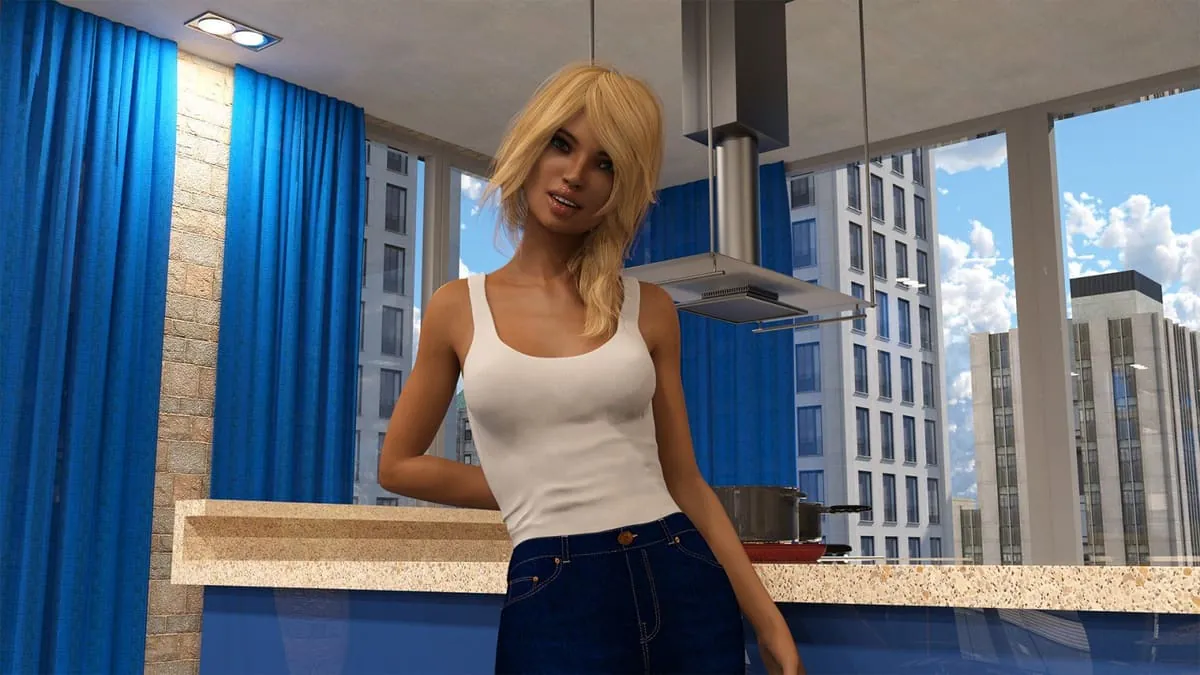
Play Returning to Mia
Returning to Mia Screenshots

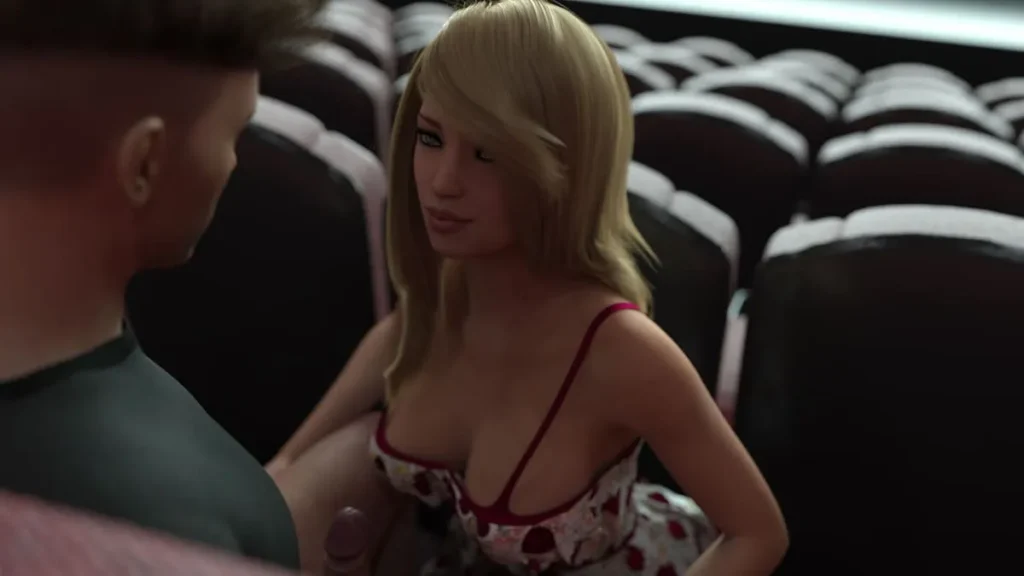



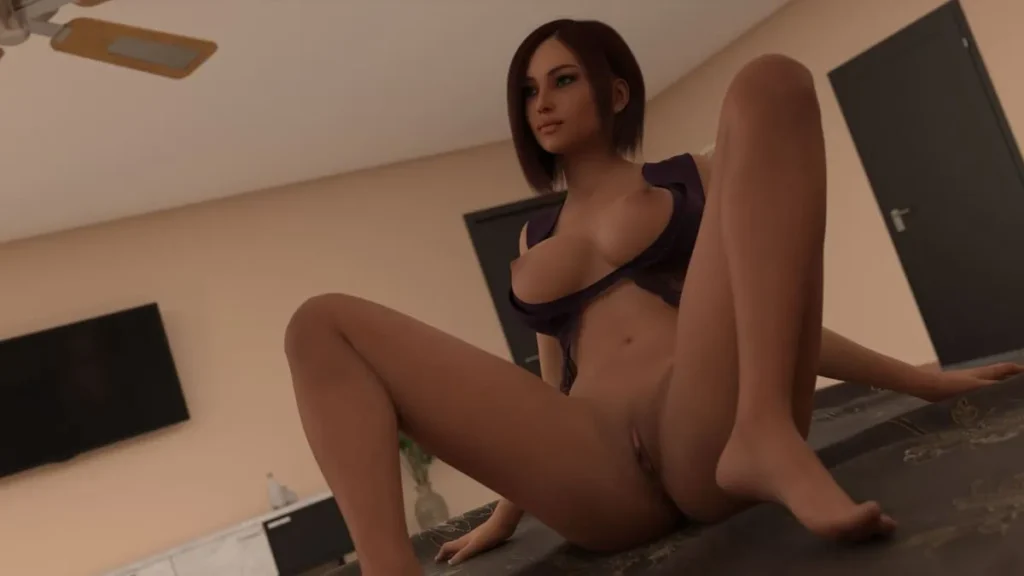
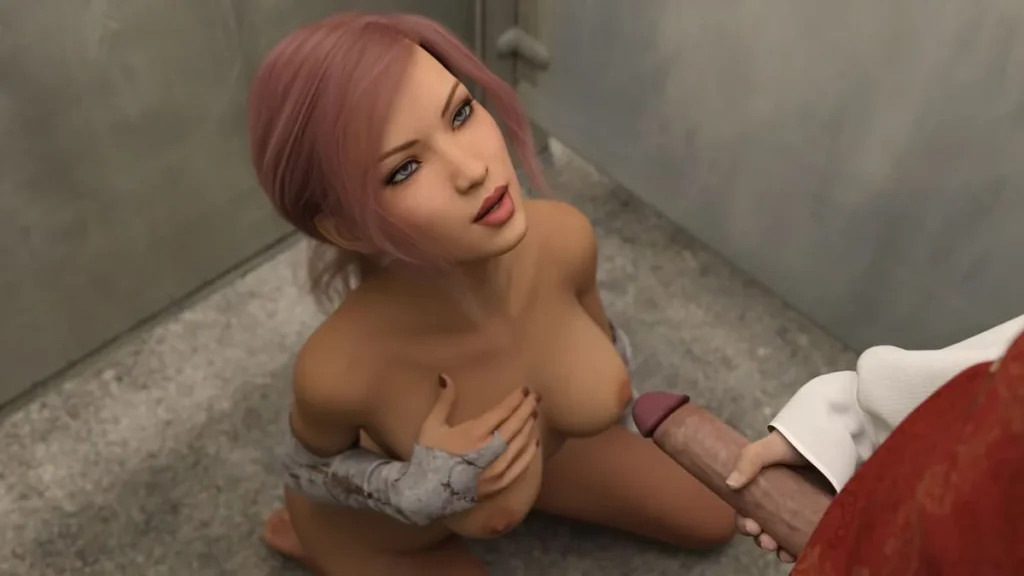

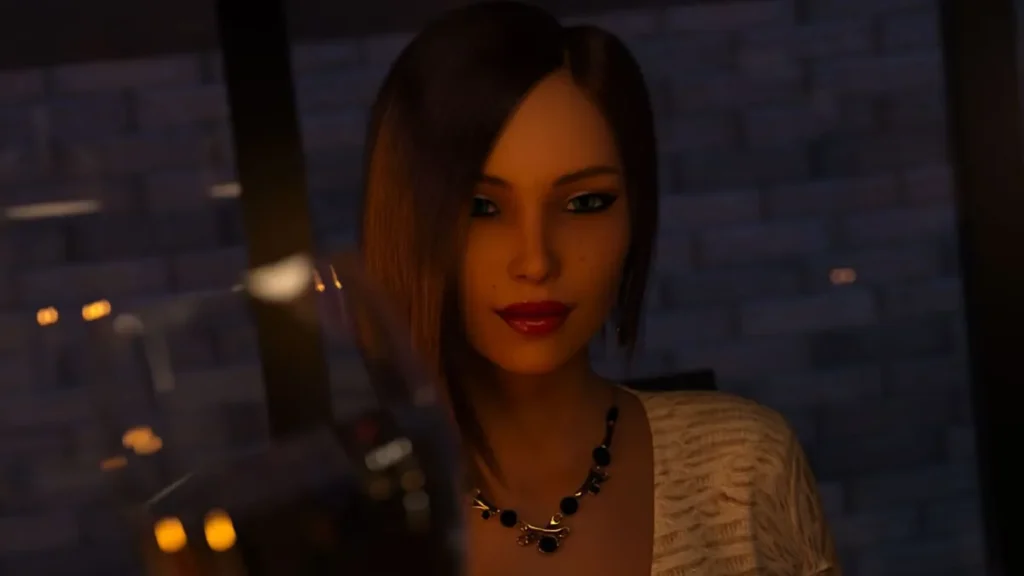


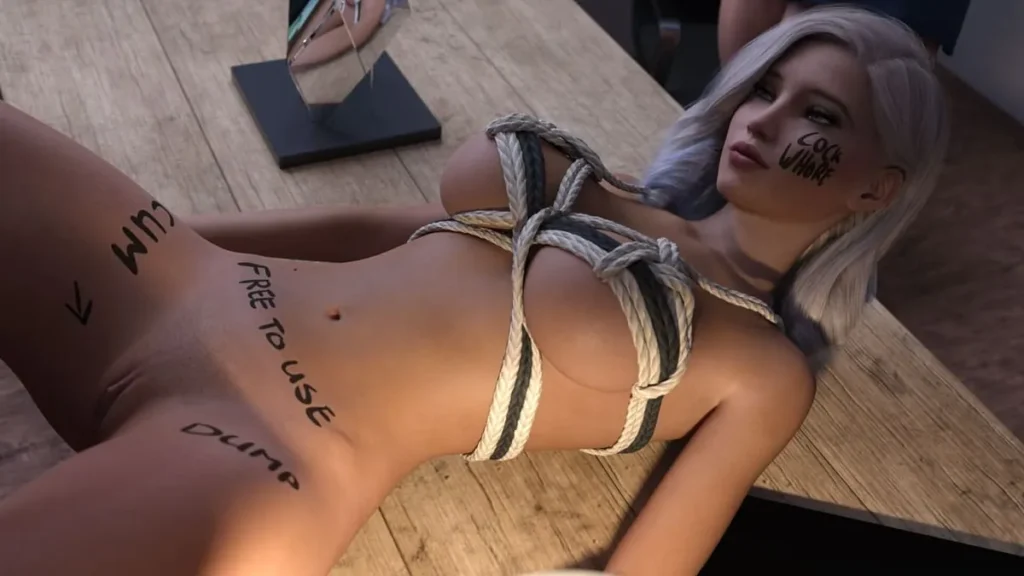


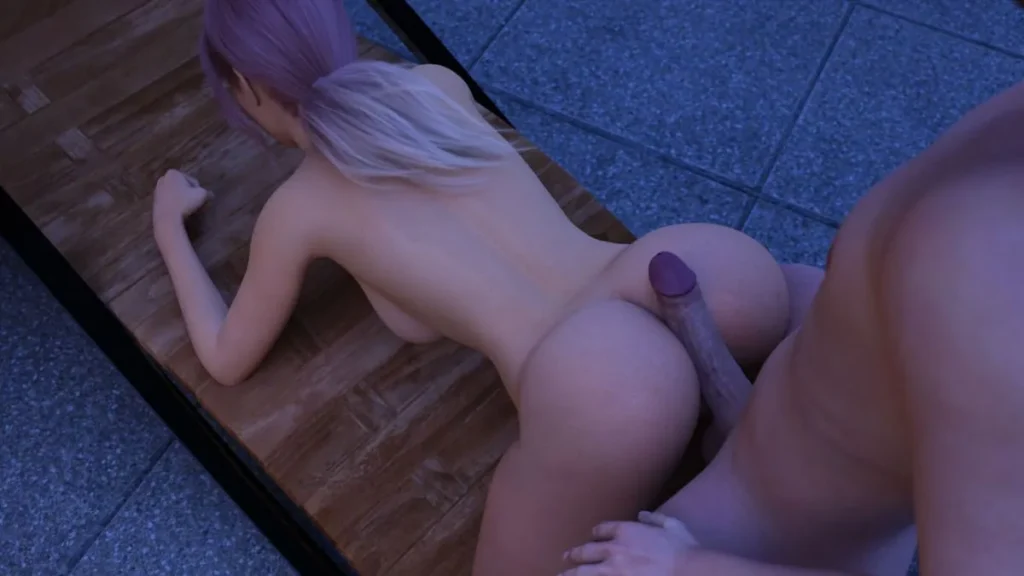
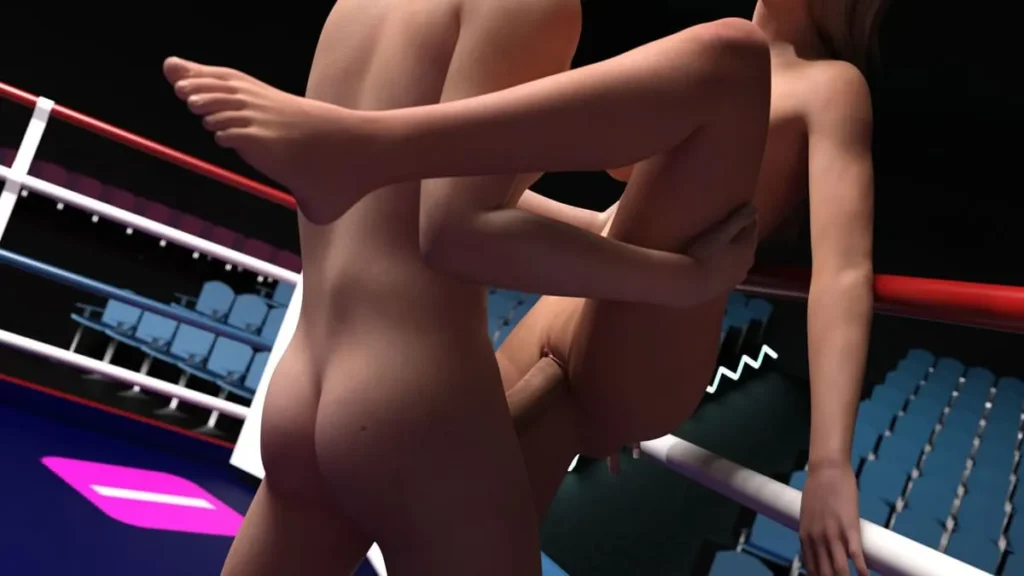
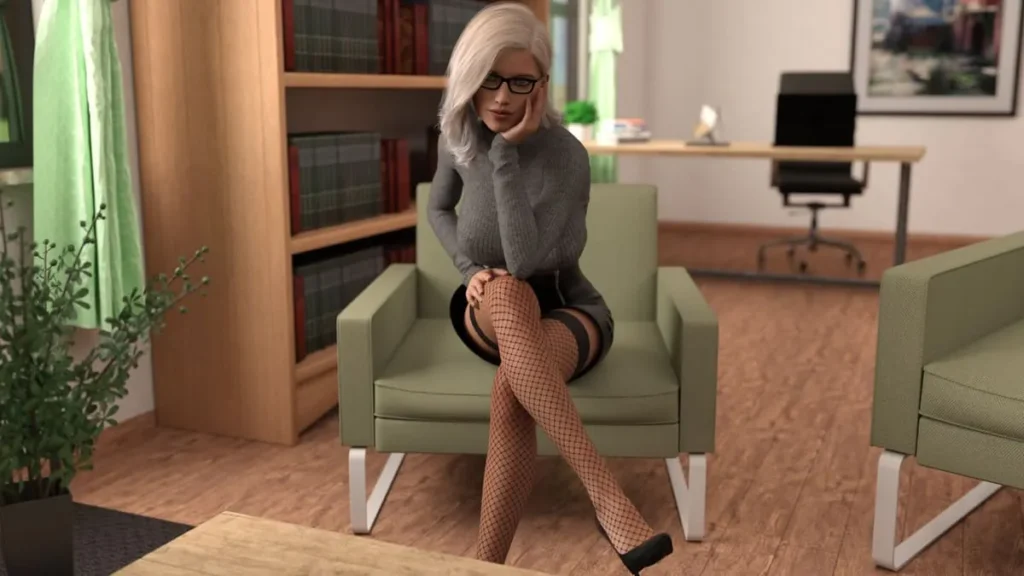
Returning to Mia review
Everything you need to know about Inceton Games’ acclaimed visual novel
Returning to Mia stands as a landmark title in adult visual novel gaming, developed by Croatian studio Inceton Games. This branching narrative experience has captivated players worldwide with its immersive storytelling and extensive content library. The game recently reached completion with its final episode release, marking the culmination of years of development. Whether you’re a longtime fan or curious newcomer, understanding what makes this visual novel significant requires exploring its gameplay mechanics, narrative structure, technical achievements, and the studio’s creative vision behind this ambitious project.
Understanding Returning to Mia: Game Overview and Development
Have you ever downloaded a game on a whim, only to find yourself utterly absorbed in its world hours later? 😲 That was my exact experience with Returning to Mia, a title that redefined what I thought an interactive story game could be. It’s more than just a game; it’s an emotional journey where every decision carries weight, a hallmark of the brilliant Inceton Games developer team.
This chapter is your starting point. We’ll peel back the layers of this acclaimed project, exploring its creation, its significance, and the passionate studio behind it. Whether you’re a curious newcomer or a longtime fan celebrating the final episode release, let’s dive into the story behind the story.
What is Returning to Mia and Why It Matters
At its heart, Returning to Mia is a narrative masterpiece wrapped in the format of an adult visual novel game. You step into the shoes of the protagonist, returning to your hometown after years away, only to be drawn back into the life of Mia, a woman from your past shrouded in mystery and complex emotions. But this isn’t a passive book; it’s a living, breathing story that morphs based on your conscience, your desires, and your choices.
What makes this Returning to Mia visual novel so significant? In a genre that can sometimes rely on familiar tropes, it dared to prioritize mature, often gritty storytelling and deep character development. The branching narrative choices here aren’t illusory. Deciding to comfort a friend, pursue a romantic interest, or investigate a hidden clue can send the plot spiraling down dramatically different paths. This commitment to consequential storytelling set a new benchmark and cemented the game’s reputation for quality.
I remember my first playthrough: I made what I thought was a harmless, slightly selfish choice in Episode 2. Fast forward to Episode 4, and that decision had completely alienated a character I was counting on for help. The game remembered, and I felt the consequences deeply. That’s the magic Inceton Games wove.
The recent final episode release was a monumental event for the community. It meant the culmination of a years-long saga, offering closure and answering long-held questions. For players, it transformed the experience from an ongoing serial into a complete, binge-able epic where you can finally see the full impact of your journey from start to finish. The promise of a multiple endings visual novel was fully realized, rewarding (or punishing) your cumulative decisions with conclusions that feel truly earned.
The Creative Vision Behind Inceton Games
To understand Returning to Mia, you must understand the minds that built it. Inceton Games didn’t start as a household name, but with this project, they planted their flag firmly in the industry. This was their bold first foray into the adult visual novel game space, a risk that required blending compelling writing with engaging visuals and a robust choice system.
The vision was clear from the start: create immersive, choice-driven narratives for a mature audience. They approached game development not just as programmers, but as storytellers. The Inceton Games developer philosophy seems to hinge on player agency—the belief that you should own your story, for better or worse. This player-first mindset is evident in every dialogue tree and every narrative branch they painstakingly crafted for Returning to Mia.
While Returning to Mia was their breakout title, establishing their international fanbase, it’s part of a broader creative portfolio. Their subsequent hit, Lust Theory, further refined their formula of blending supernatural twists with personal drama. However, Returning to Mia holds a special place as the foundational title. It proved their model worked: that there was a hungry audience for sophisticated, well-produced narratives in this genre. It’s the project where they learned, innovated, and ultimately, where they earned their stripes.
Their commitment is visible in the production quality. We’re not talking about static images and text boxes alone. They invested in detailed character renders, expressive animations, a fitting soundtrack that sets the mood, and a professional level of polish that elevates the entire experience. This dedication to quality from the Inceton Games developer team is a big reason why the Returning to Mia visual novel continues to be recommended as a top-tier entry point into the genre.
From Launch to Final Episode: Development Timeline
The journey of Returning to Mia from a compelling idea to a completed saga is a story of evolution and community. Inceton Games adopted an episodic release model, which turned out to be a genius move for this type of interactive story game. It allowed them to build the narrative progressively, integrate player feedback, and sustain incredible anticipation over several years.
The initial launch introduced us to the core mystery and the emotional landscape of the story. With each subsequent episode, the world expanded. New characters with their own intricate backstories were introduced, and the web of branching narrative choices grew exponentially more complex. As a player, it felt like the game was growing in ambition right alongside my investment in it.
This timeline wasn’t without its challenges. The wait between episodes, while often agonizing for fans, was a testament to the studio’s commitment to not rushing. Each update brought not just more story, but frequently, engine improvements, UI enhancements, and expanded features that improved the entire game retroactively. The final episode release was the crescendo of this process—a massive, content-rich conclusion designed to tie together countless narrative threads.
The completion of the game transforms its very nature. Now, players can engage with Returning to Mia as a full, cohesive work. You can marathon it, experimenting with different saves to explore how early branching narrative choices ripple outward to unlock the various conclusions in this multiple endings visual novel. The development timeline is no longer a waiting game; it’s the roadmap of a now-complete classic.
| Milestone | Key Features & Significance |
|---|---|
| Initial Release (Episode 1) | Introduction to the core cast, central mystery, and the foundational choice system. Established the mature tone and high-quality visuals. |
| Episode 2 & 3 Releases | Significant expansion of the story world. Introduction of major new characters and more complex, interweaving narrative branches. Player choices began showing longer-term consequences. |
| Major Game Engine Update | A technical overhaul that improved graphics, save systems, and overall stability. Enhanced the experience for both new players and those replaying earlier episodes. |
| Penultimate Episode Release | Raised the stakes to their peak, setting the stage for the finale. Many character arcs reached critical turning points based on accumulated player decisions. |
| Final Episode Release 🎉 | The comprehensive story conclusion. Locked in all narrative paths and delivered multiple, vastly different endings based on the player’s journey. Marked the completion of the saga. |
The story of Returning to Mia is, in many ways, a story about potential realized. It started as Inceton Games’ ambitious first step and finished as a defining title in their catalog and the genre. Understanding this journey—from the initial vision of the Inceton Games developer team to the satisfaction of the final episode release—adds a rich layer of appreciation to every scene, every choice, and every ending you’ll discover in this remarkable interactive story game. Now, with the full picture available, your adventure into its deep, choice-laden narrative awaits.
Returning to Mia represents a significant achievement in visual novel development, showcasing Inceton Games’ dedication to creating immersive, choice-driven narratives with substantial production value. The game’s completion with its final episode marks the end of an ambitious creative journey that has resonated with players globally. With over 35,000 images, hundreds of animations, full voice acting, and a branching narrative system that rewards player engagement, the game offers a comprehensive interactive experience. Whether you’re interested in exploring the game’s multiple endings, experiencing the impact of meaningful choices, or appreciating the technical craftsmanship behind adult visual novels, Returning to Mia provides substantial content worth exploring. For those ready to begin or continue their journey, the game is now fully available across multiple platforms, making it accessible to both longtime fans and newcomers curious about this landmark title in interactive storytelling.