Second Chance
Play Second Chance
Second Chance Screenshots


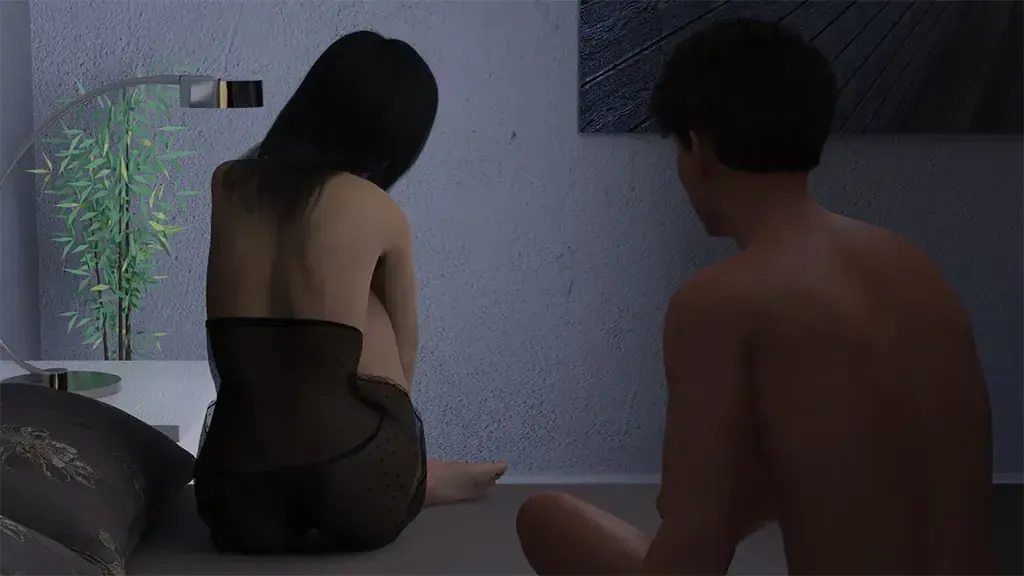
Second Chance review
Everything you need to know about playing, choices, mechanics, and tips
Second Chance is an interactive adult-themed game that centers on branching choices, character relationships, and replayable storylines; this guide dives into its mechanics, decision impact, and practical tactics to get the outcomes you want. In this article you’ll find a clear breakdown of core systems, step-by-step play strategies, personal anecdotes from multiple playthroughs, and troubleshooting tips aimed at helping both new and returning players enjoy Second Chance. Whether you want to optimize relationships, explore alternate endings, or fine-tune settings for smoother play, the sections below offer actionable advice and narrative insight.
Getting Started: Installation, Settings, and First Impressions
So, you’ve decided to grab life by the horns and see if you can rewrite your story? Smart move. Welcome to Second Chance 🎮, a game where every decision echoes into the future. But before you dive into that life-simulating drama, you need a solid foundation. Getting your Second Chance install right and tweaking those Second Chance settings is the difference between a smooth ride and a technical nightmare. Trust me, I learned this the hard way.
Let’s get you from download to decision-making without a hitch. This guide covers everything: where to get the game, how to set it up for the best experience, and what to do when you first hit “New Game.”
Where and how to install Second Chance
First things first: getting the game onto your machine. Second Chance is primarily available for desktop, and the install process is straightforward if you follow the right path. You won’t find it on major console stores yet, so your PC is the gateway.
The only official source is the developer’s website or their partnered digital storefront. Always double-check the URL! 🕵️♂️ Unofficial sites are riddled with risks you don’t need. Once you’ve purchased it, you’ll download an installer executable.
Here’s my step-by-step advice for a flawless Second Chance install:
- Check System Requirements First: Don’t just click download. Glance at the “minimum” and “recommended” specs on the store page. Second Chance is beautiful but not a brute; most modern PCs handle it well. However, if your graphics driver is from the stone age, you might have issues.
- Run the Installer as Administrator: This is a classic tip. Right-click the installer and select “Run as administrator.” It prevents permission errors that can leave game files in disarray.
- Choose Your Install Location Wisely: The default is often your C: drive. If you’re tight on space, direct it to another drive. Just remember the path! You’ll need it later for managing Second Chance save files. I created a dedicated
Gamesfolder on my D: drive to keep everything organized. - Verify File Integrity: After installation, some launchers or the game menu itself have a “Verify Files” option. Use it. It’s a 60-second check that ensures nothing corrupted during download. I once skipped this and spent an hour wondering why a door texture was missing. 🚪
No account or special launcher is required—a breath of fresh air! You install it, and it’s yours. If the game doesn’t launch, two quick fixes have saved me: try Windows Compatibility Mode (right-click the shortcut > Properties > Compatibility), and always ensure your antivirus isn’t mistakenly quarantining a game file.
Essential settings to configure before you play
Alright, the game is installed. Resist the urge to jump straight in! ⛔ Spending five minutes in the settings menu is an investment that pays off for your entire playthrough. Your approach to how to play Second Chance begins here, with comfort and performance.
Let’s break down the Second Chance settings you should adjust immediately. I’ve split them into two categories: Performance/Display and Privacy/Gameplay.
For Performance & Visual Clarity:
* Display Mode: Always choose Fullscreen for the best performance. It dedicates more resources to the game.
* VSync: Turn this ON if you notice screen tearing (horizontal lines during motion). If your monitor has a high refresh rate, you might try it off for lower input lag.
* Shadow Quality: This is often the most demanding setting. Start with Medium. The visual difference between Medium and Ultra is minor, but the performance gain is huge.
* Field of View (FOV): If the camera feels too close, bump this up to 85-90. It gives you a wider view of the world and can help with immersion.
For Privacy & Gameplay Flow:
* Data Sharing: Disable it. This is a single-player narrative experience; you don’t need to send analytics. It’s the first thing I toggle off in any game.
* Autosave Frequency: Crank this to Frequent. Second Chance is all about choices. You don’t want to lose 30 minutes of progress because you forgot to save before a major story branch.
* Text Speed: Set this to the fastest comfortable reading speed. You’ll be reading a lot of dialogue, and a slow crawl can really break the pacing.
* Enable Subtitles: Just do it. Even if you have great hearing, they help ensure you never miss a key line of dialogue.
To give you a quick-glance reference, here’s a table summarizing the core setup:
| Platform | Minimum Specs (1080p/30fps) | My Recommended ‘Sweet Spot’ Settings | Common Launch Fix |
|---|---|---|---|
| Windows PC | Windows 10, Quad-core CPU, 8GB RAM, GTX 960 4GB | Fullscreen, VSync On, Shadows Medium, FOV 85, Autosave Frequent | Run as Administrator + Verify Game Files |
First-session walkthrough and initial choices
The moment is here. You’ve clicked “New Game.” The screen fades in, and you’re presented with your Second Chance first choices. How you handle this opening act sets the tone for everything that follows. Let’s walk through it together.
The game begins with a powerful, wordless montage of your character’s life—flashes of regret, missed opportunities, and a single, pivotal moment of failure. It’s heartbreakingly effective. Then, a voice (or perhaps your own inner thought) offers you that second chance. You wake up, years earlier, with your memories intact.
The First Crucial Steps:
1. Character Reflection: You’re not customizing looks here. Instead, you’re defining a history. You’ll be asked about your past self’s tendencies. Were you Reckless or Cautious? Selfish or Altruistic? These don’t lock you into a personality but set your starting relationships and give you initial traits. There’s no “best” option. I chose “Cautious” for my first run, which made certain persuasive actions easier later.
2. The First Morning: You’ll find yourself in your old room. Explore it thoroughly! 📖 Read the journal on the desk, look at the photos. This isn’t just flavor text; it establishes key people and past events that will become relevant. The game remembers what you’ve seen.
3. The Initial Encounter: Within the first 15 minutes, you’ll meet a core character—often a family member or old friend. Your dialogue choices here are your first test. You can play it as your “old” self or immediately start changing things. My big mistake? I tried to meta-game and gave a wildly out-of-character, perfect answer. The game subtly called me out on it through the character’s suspicious reaction! It was a brilliant reminder that this is about organic growth, not min-maxing.
Pro Tip: The moment you gain control, make your first manual save. Call it “Day 1 Morning.” This is the cornerstone of your Second Chance save files strategy. Create a new manual save at the start of each in-game day and before any major conversation. Never rely solely on autosaves!
A Personal Anecdote – My First ‘Oh No’ Moment:
In my very first play session, I reached a seemingly minor choice at a café. I could intervene in an argument between two strangers or mind my own business. Thinking it was a test of courage, I intervened—aggressively. The scene ended awkwardly. I didn’t think much of it until hours later, when one of those strangers showed up as my character’s new coworker, holding a visible grudge that closed off an entire story branch! 😱 It was a stunning lesson in consequence. I immediately went back to my “Day 1 Morning” save file (thank goodness I made it!) to try the peaceful approach. This also taught me that my Second Chance settings for text speed were too fast; I’d missed a subtle clue about the stranger’s demeanor in the café. Slowing it down just a notch helped me read the room better.
Your early goals are simple: learn the rhythm of the game, talk to everyone, and observe. The first major story checkpoint usually arrives after the first in-game week. That’s your signal that the tutorial phase is over, and your choices are beginning to solidify into your new timeline.
By nailing your Second Chance install, optimizing your Second Chance settings, and approaching those Second Chance first choices with mindful curiosity, you’ve built the perfect launchpad. You’re no longer just playing a game; you’re carefully constructing a new life, one saved game at a time. Now, take a deep breath, and step through that door. Your second chance awaits.
Second Chance rewards patient players who experiment with choices, manage relationships deliberately, and use saves strategically; this guide walked through setup, core mechanics, character arcs, route planning, and community resources to help you get the most out of the game. Try the recommended routes, use the save and stat tactics described, and engage with community content if you hit a snag. If you enjoyed this guide, save it for your next playthrough and share any discoveries you make so other players can benefit.