Sunville
Play Sunville
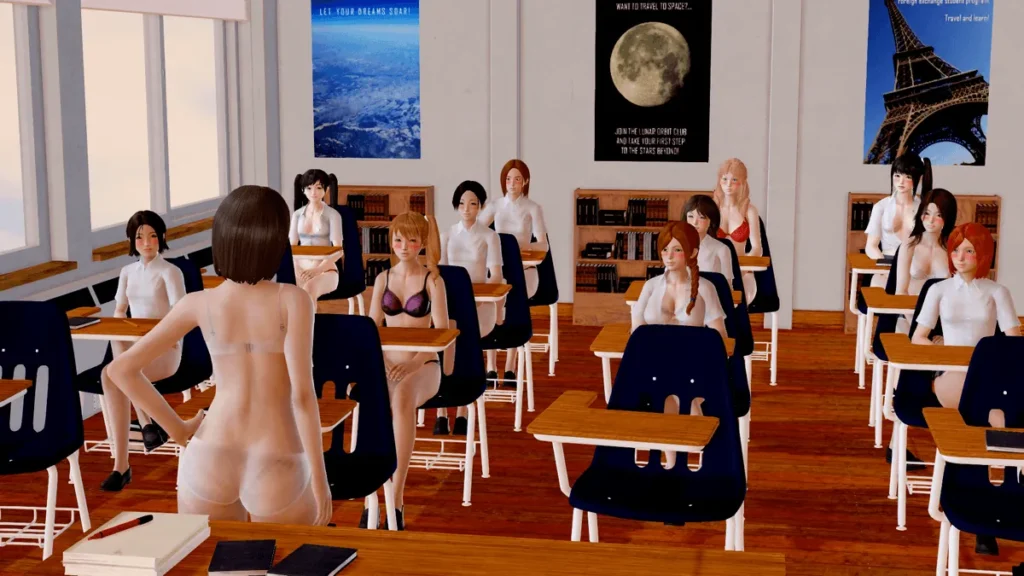
Sunville Screenshots








Sunville review
Explore the mechanics, storyline, and character interactions in this popular visual novel
Sunville is a point-and-click visual novel that has gained significant attention in the gaming community. This comprehensive guide explores the core gameplay mechanics, character interactions, and progression systems that define the experience. Whether you’re new to the game or looking to deepen your understanding of its features, this article covers everything you need to know about navigating Sunville’s world, understanding its narrative structure, and maximizing your gameplay experience. Discover what makes this visual novel unique and how its interactive elements create engaging storytelling.
Understanding Sunville’s Gameplay Mechanics and Core Features
Diving into Sunville for the first time, I was instantly charmed by its sunny aesthetics and friendly characters. But I’ll be honest—I was also a little lost. 🤔 I was clicking around, enjoying the story, when suddenly my character was challenged to a high-stakes card game. I hadn’t saved, made a few wrong bets, and found myself locked out of a character’s story path for the rest of that playthrough. It was frustrating in the moment, but it taught me a crucial lesson: Sunville isn’t just a story you read; it’s a world you actively play within. Its magic lies in the ingenious fusion of a classic visual novel point and click foundation with the unpredictable, playful chaos of Sunville party games. This chapter is your roadmap to mastering that blend, turning confusion into strategy and one playthrough into many.
Point-and-Click Interaction System
At its heart, Sunville gameplay mechanics are built on a familiar and intuitive foundation: the point-and-click adventure. This isn’t just a fancy term for “clicking on stuff”; it’s the core language through which you converse with the game world. Think of your cursor as an extension of your curiosity. 🗺️
You’ll spend your days exploring vibrant, hand-drawn locations—from the bustling main street café to the tranquil lakeside docks. The visual novel point and click system here is beautifully straightforward. Hover over an object, and it might glow or display a subtle tooltip. A click could simply observe the detail (“The old guitar looks well-used but cared for”), spark a line of internal monologue from your character, or initiate a conversation with someone nearby. This direct interaction builds immersion, making you feel personally responsible for uncovering the town’s secrets and deepening relationships.
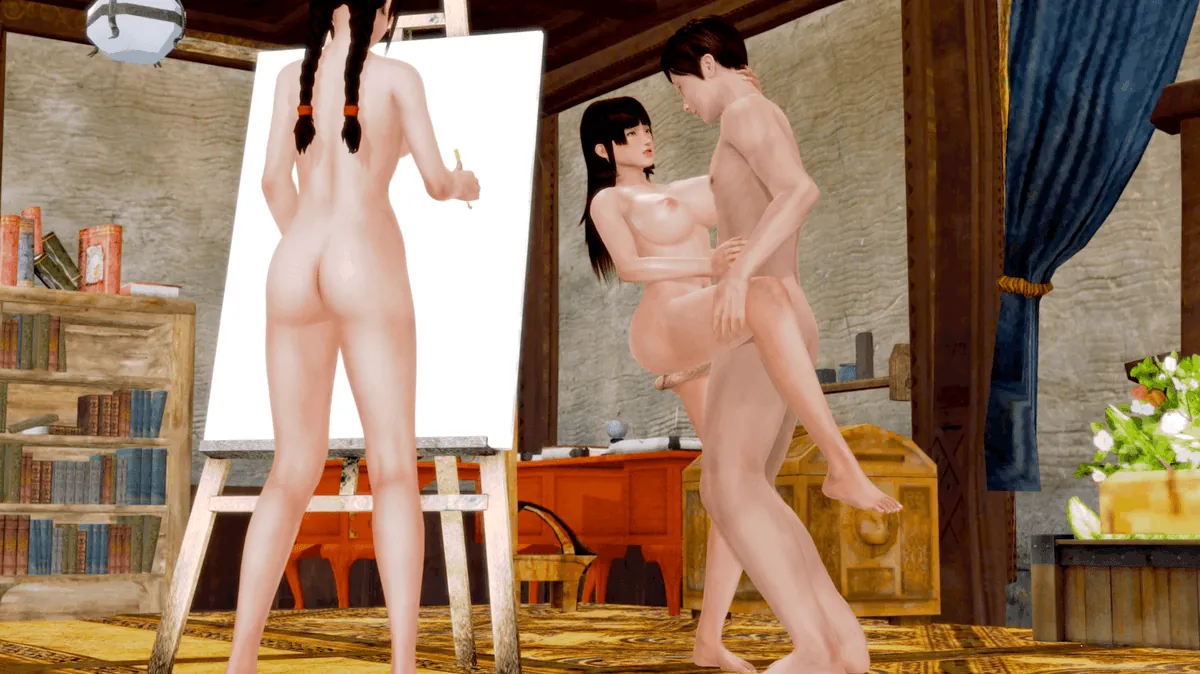
My personal “aha!” moment with this system came when I was trying to get to know the reclusive artist, Leo. The main story dialogue only got me so far. It was by compulsively clicking on the art supplies in his studio—the half-finished canvas, the specific shade of blue paint—that I triggered unique conversation branches about his creative process and fears. The game rewarded my meticulous exploration with deeper character insights. This is the strategic layer of the point and click mechanic: it’s not just about progression, but about discovery. You have direct player agency to investigate what interests you, which directly feeds into the game’s vast visual novel replayability. On another playthrough, I ignored the studio and focused on the bookshelf instead, unlocking a completely different subplot about his literary influences.
Pro Tip: Get click-happy! Sunville is packed with environmental storytelling. Click on everything, even if it seems mundane. You’ll be surprised how many hidden dialogues, minor clues, and charming world-building details are tucked away, waiting to enrich your experience and potentially alter your path.
Party Games and Randomization Elements
Just as you’re settling into the relaxing rhythm of sun-drenched conversations, Sunville party games burst onto the scene, transforming quiet character moments into dynamic, nail-biting social events. 🎉 This is where the game truly innovates. Imagine the narrative tension of a classic visual novel, but now the fate of your relationships can hinge on the spin of a bottle or the draw of a card. These aren’t mini-games tacked on for fun; they are core gameplay mechanics deliberately designed to inject randomization, challenge, and a massive dose of replayability.
Let’s break down the two most prominent examples. First, Spin the Bottle game mechanics. When this classic party starter appears, the game shifts from a narrative focus to a strategic social puzzle. The bottle lands randomly, yes, but your preparedness dictates the outcome. Your previous point and click exploration and dialogue choices determine your “Knowledge” stats about other characters—their likes, secrets, and current moods. When the bottle points to you, you might be asked a daring question about another guest. A high Knowledge stat lets you answer in a way that charms or intrigues them, boosting their affinity. A low stat leads to a generic or awkward response, potentially stalling the relationship. The randomization ensures you can’t perfectly predict who you’ll interact with, forcing you to be well-rounded in your social sleuthing.
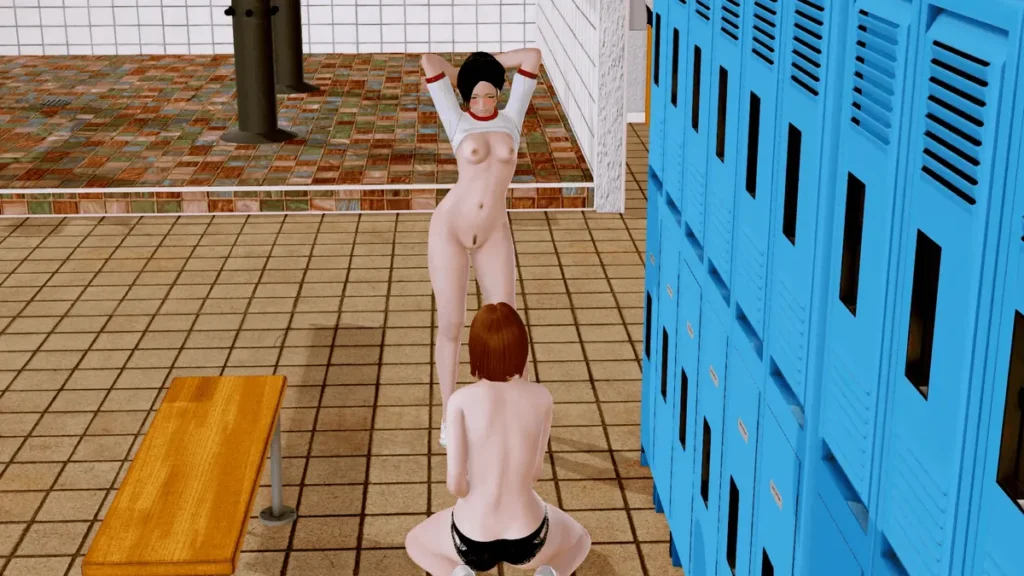
Now, let’s talk about Strip Poker Sunville. 🃏 This is the game’s masterclass in using mechanics to mirror narrative themes of risk, exposure, and confidence. It’s not merely about having a good poker hand. Your success is a blend of your in-game “Boldness” stat (built by making confident choices elsewhere), your understanding of the opponent’s “tells” (gained through prior interactions), and pure, sweaty-palmed luck of the draw. Winning a round isn’t just about seeing a scene; it’s about gaining social leverage, making another character vulnerable, and unlocking the option for more intimate, truthful conversations later. Losing, however, can be just as valuable, potentially unlocking paths of vulnerability for your own character or creating compelling narrative tension that pays off down the line.
Here’s a practical example from my own saves. In one playthrough, I focused solely on building a rapport with Maya. When Spin the Bottle commenced, I had high Knowledge about her but ignored everyone else. The bottle landed on Alex, who I’d barely spoken to. I flubbed the question, he was unimpressed, and that closed off his entire friendship path for that evening. In my next replay, I spread my attention more evenly. The same random spin occurred, but this time I had the insights to give a clever answer that made both Alex and Maya react positively. One randomized event, two vastly different outcomes, all guided by my earlier agency.
To see how these powerful tools compare, let’s look at their roles side-by-side:
| Game | Primary Mechanic | Key Stat Influenced | Progression Impact |
|---|---|---|---|
| Spin the Bottle | Randomized social targeting & Q&A | Knowledge / Insight | Unlocks group dynamics, opens multiple character paths simultaneously. |
| Strip Poker | Card game luck & strategic bluffing | Boldness / Confidence | Gates high-intimacy scenes, creates pivotal “win or lose” narrative moments. |
| Truth or Dare | Player-chosen challenge type | Charisma & Courage | Directly tests relationship depth, offers binary choice-driven scenes. |
Progression and Replayability Features
So, how do these interconnected systems—the deliberate point and click exploration and the chaotic party games—coalesce into your overall journey? This is where Sunville’s genius in fostering visual novel replayability shines brighter than the in-game sun. ☀️ The game is meticulously structured not as a single line from A to B, but as a sprawling web of possibilities where Sunville party games act as major gateways and diverging points.
Progression is not just about accumulating affection points in a menu. It’s about qualifying for narrative opportunities. Think of your actions building an invisible “keyring.” Every meaningful conversation discovered via point and click, every stat boost earned by navigating a party game successfully, forges a new key. Later, when a pivotal Spin the Bottle session or a round of Strip Poker Sunville occurs, those events present locked doors. You can only walk through the doors for which you have the right key. This is the answer to how to unlock scenes Sunville players often seek: you must strategically build the right set of keys (stats, knowledge, items) through your choices before the locking event occurs.
This creates an incredibly compelling loop for replaying. In my first playthrough, I was the cautious friend, and my Boldness stat was low. When the Strip Poker Sunville event with the confident surfer, Kai, unfolded, I lost decisively. This led to a sweet, slightly humbling scene where he comforted my character, building a different kind of trust. Intrigued, I replayed the entire first act, making bolder choices. I clicked on riskier dialogue options and took dares during earlier games. This time, with a higher Boldness stat, I won the poker match. The subsequent scene was one of triumphant flirting and mutual respect—a completely different narrative tone and relationship dynamic with the same character!
The Sunville gameplay mechanics are engineered to make you want to see these alternate paths. The game generously allows you to skip previously read dialogue, making subsequent playthroughs focused on your new strategic goals. You’ll find yourself thinking, “This time, I’ll be the charismatic ringleader,” and then tailoring every point and click investigation and every party game decision to build that specific persona, just to see which new doors swing open.
Ultimately, understanding these mechanics transforms your experience. You stop being a passive reader and become an active architect of your Sunville summer. You’ll learn to scout locations with purpose, engage in party games with a strategic eye on your stats, and embrace both wins and losses as valuable narrative currency. The path to how to unlock scenes Sunville is rich with discovery, ensuring that no two vacations in this delightful visual novel are ever the same. 🏖️
Sunville stands out as a visual novel that integrates party games as meaningful gameplay mechanics rather than mere narrative flourishes. The point-and-click interaction system combined with randomization elements through games like Spin the Bottle and Strip Poker creates a dynamic experience that encourages multiple playthroughs. Understanding these core mechanics—from progression systems to replayability features—allows players to fully appreciate how the game structures its content and character interactions. Whether you’re interested in unlocking all available scenes or simply enjoying the narrative experience, mastering these gameplay elements enhances your overall engagement with Sunville’s world. Explore these mechanics at your own pace and discover the depth that makes this visual novel compelling for its audience.