
Apocalust
Play Apocalust
Apocalust Screenshots















Apocalust review
Explore the immersive adult visual novel with supernatural powers and branching narratives
Apocalust stands out as a distinctive adult visual novel that combines supernatural elements with complex narrative choices. Developed by psychodelusional, this immersive experience follows a young photographer who discovers an ancient relic granting metaphysical abilities. Players navigate moral dilemmas, develop relationships, and shape their character’s destiny through meaningful decisions. Whether you’re exploring the game’s dynamic storytelling, understanding its core mechanics, or discovering what makes this title compelling, this guide provides everything you need to know about Apocalust’s features, gameplay systems, and what awaits in your adventure.
Understanding Apocalust: Core Gameplay and Story Foundation
What is Apocalust and How Does It Begin?
Let me paint you a picture. You’re living a pretty standard life—working a day job, hanging with friends, dreaming of something more. That’s exactly where you start in Apocalust. You step into the worn-out shoes of an aspiring photographer, a character who feels real because their life mirrors our own mundane struggles. You chase gigs, pay rent, and maybe wonder if there’s more out there. It’s this brilliant, relatable foundation that makes everything that comes next hit so much harder. This isn’t just a game; it’s the start of an interactive storytelling game where your normalcy is the powder keg.
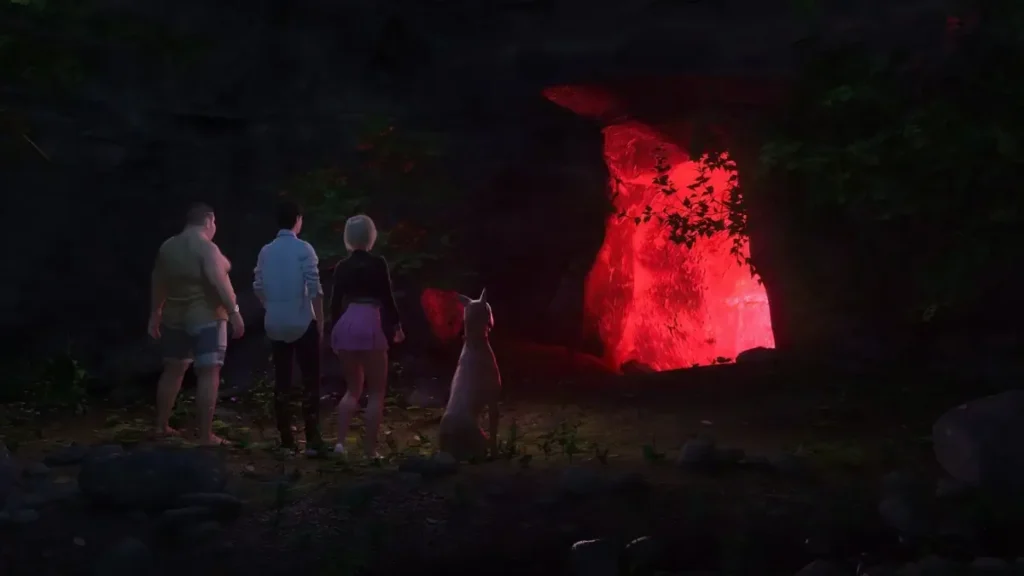
Then, everything changes. It’s not a dramatic superhero origin with lightning bolts. It’s the discovery of something ancient, silent, and utterly alien: a relic. This isn’t a shiny MacGuffin; it’s an object that feels wrong in our world, humming with a power you can’t comprehend. Touching it doesn’t just change your fate—it rewires your very reality. One moment you’re a person with a camera, the next, you’re a person who can perceive the hidden layers of the world. The Apocalust story begins not with a bang, but with a whispering, terrifying awakening.
Suddenly, you’re living a double life. 🎭 On the surface, you’re still that photographer, navigating complex relationships with a cast of characters who are far more than romantic targets—they’re fully realized people with their own secrets, desires, and fears. Beneath the surface, you’re learning to wield metaphysical abilities you barely understand, while sensing a vague, looming threat that seems to watch from the shadows. The core Apocalust gameplay loop is born from this tension: balancing your public persona with your private power, deciding who to trust, and figuring out if you’re a guardian of this secret or a victim of it.
The Ancient Relic: Powers and Consequences
So, what can you actually do with this mysterious power? Forget shooting webs or flying; the abilities in this supernatural powers game are subtle, psychological, and profoundly impactful. We’re talking about influencing emotions, perceiving hidden truths in people’s auras, or altering moments of perception. It’s less about throwing fireballs and more about gently (or not so gently) bending the fabric of interpersonal reality. These metaphysical abilities make every social interaction a potential playground or a minefield.
But here’s the genius catch—the game reminds you constantly that power is never free. Using your gifts is intoxicating, but it comes with a cost. You might get a psychic headache, experience disturbing visions, or feel the relic’s influence slowly changing you. It creates a constant, delicious tension: Should I use my power to make this situation easier, or should I struggle through it like a normal person? This is where Apocalust gameplay transcends simple choice mechanics. Every use of power is a role-playing decision that defines who your character is becoming.
This leads to the heart of the experience: the relationships. The adult visual novel aspects are seamlessly fused with the supernatural. Getting to know someone isn’t just about choosing charming dialogue options. It’s about wondering if you should peek beneath the surface with your powers to see their true feelings, or if that violates their trust. It’s about whether you use your abilities to help someone heal from emotional pain or to manipulate them for your own gain. The supernatural element doesn’t replace romance; it deepens it, making every connection potentially more intimate or profoundly more dangerous.
Navigating Moral Choices in a Supernatural World
This brings us to the masterpiece of Apocalust: its moral compass, or rather, its deliberate lack of a clear one. If you come in expecting simple “good vs. evil” choices, you’ll be delightfully lost. This game trades in shades of grey, and it demands genuine contemplation from you, the player. The moral choices branching narrative isn’t a gimmick; it’s the core engine of the entire story.
Let’s break down a real scenario, straight from my last playthrough. Early on, a friend is in deep emotional distress over a family issue. They’re vulnerable, hurting, and looking to you for support. You have the power to subtly soothe their anxiety, to genuinely help them find a moment of peace. That feels good, right? The “hero” path. But you also sense that in this softened state, their guard is down, and they might be persuaded to share a secret or grant a favor that benefits you. Do you help your friend, or exploit the opportunity your power has revealed?
Player Tip: There is no “right” answer in the moment. The game’s brilliance is that both choices are justifiable from a certain point of view, and the consequences will ripple out in ways you can’t possibly predict.
This is the constant, thrilling dilemma. Your decisions don’t just add points to a hidden “karma” meter. They fundamentally alter character relationships, lock and unlock entire story branches, and change the fate of the town itself. Save someone from a mistake, and you might deny them a crucial life lesson. Use your power for personal gain, and you might attract the attention of those lurking threats. The game remembers everything, and it’s not afraid to bring your past choices back to haunt—or reward—you chapters later.
This interactive storytelling game framework crystallizes into two primary philosophical paths your character can walk, shaping your entire journey and its endings. To help visualize this crucial divergence, here’s a breakdown:
| Path Focus | Path of Integrity 🛡️ | Path of Desire 🔥 |
|---|---|---|
| Core Philosophy | Stewardship & Protection. The power is a responsibility, not a tool. It should be used sparingly, ethically, and with the well-being of others in mind. | Liberation & Power. The relic is a key to unlocking your true potential and desires. It’s meant to be used to reshape your world and claim what you want. |
| Key Consequences | Stronger, more trusting bonds built on honesty. Slower power progression. Potential to uncover deeper truths about the relic’s purpose and the looming threats. | Faster, more dramatic mastery of abilities. Relationships based on intensity, influence, or obsession. Higher risk of personal corruption and drawing dangerous attention. |
| Resulting Endings | Tends toward resolutions focused on sacrifice, healing, and safeguarding the world. You may become a guardian figure. | Leads to endings centered on transformation, control, and personal ascension. You may become a power unto yourself. |
What’s truly remarkable is that these aren’t rigid selections from a menu. You slide into them through dozens of micro-decisions. One playthrough, I aimed for Integrity but found myself repeatedly using my power for “just one small” selfish act, and by the end, the game had rightly judged my journey as something much closer to Desire. This organic, fluid system is what makes multiple playthroughs not just fun, but essential. The moral choices branching narrative ensures that your second time through can feel like a completely different supernatural powers game.
As of its current version (0.09), developed by the passionate team at Summertime, Apocalust offers a staggering amount of content and branching depth for an in-development title. It’s available primarily on PC through platforms like Patreon, with updates that consistently expand the world and its consequences. The adult visual novel label is accurate in its mature themes and relationships, but it’s the sophisticated, grey-area Apocalust gameplay and the profound weight of its Apocalust story that will hook you. You’re not just reading a story or chasing romance scenes; you’re architecting a personal saga of power, morality, and identity, one impossible choice at a time.
Apocalust delivers a compelling experience for players seeking meaningful narrative choices combined with supernatural storytelling. The game’s strength lies in its nuanced moral decision-making system that avoids simplistic good-versus-evil mechanics, instead presenting grey-area choices with genuine consequences. Whether you pursue the Path of Integrity or the Path of Desire, your decisions shape not only personal relationships but the entire world around you. With multiple playthroughs yielding wildly different outcomes, the game encourages exploration and experimentation. The combination of character development, relationship dynamics, and branching narratives creates a rich, immersive experience that rewards player agency. If you’re interested in adult visual novels that prioritize storytelling depth and meaningful choices over linear progression, Apocalust offers a distinctive adventure worth exploring. Start your journey today and discover where your choices lead.