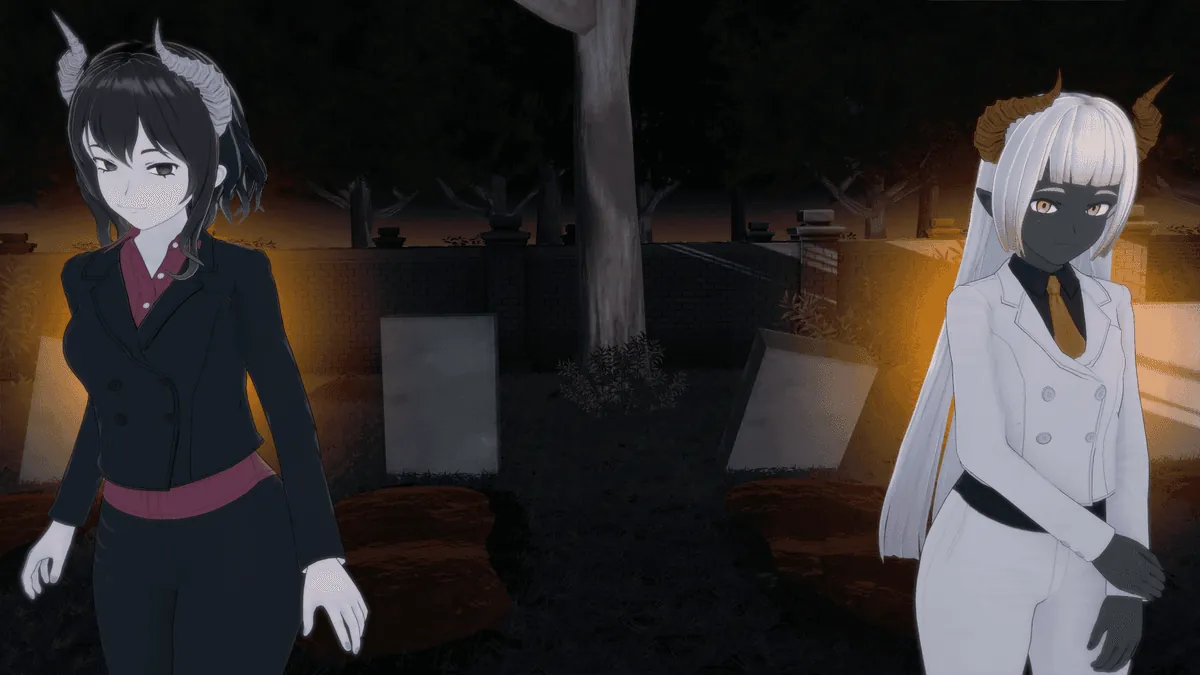
Demons of the Hearth
Play Demons of the Hearth
Demons of the Hearth Screenshots
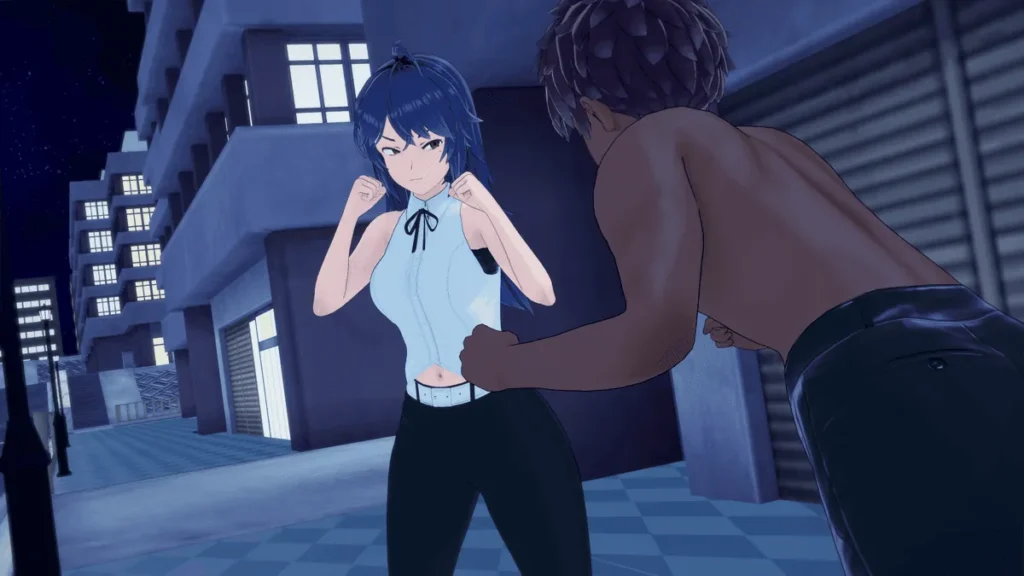
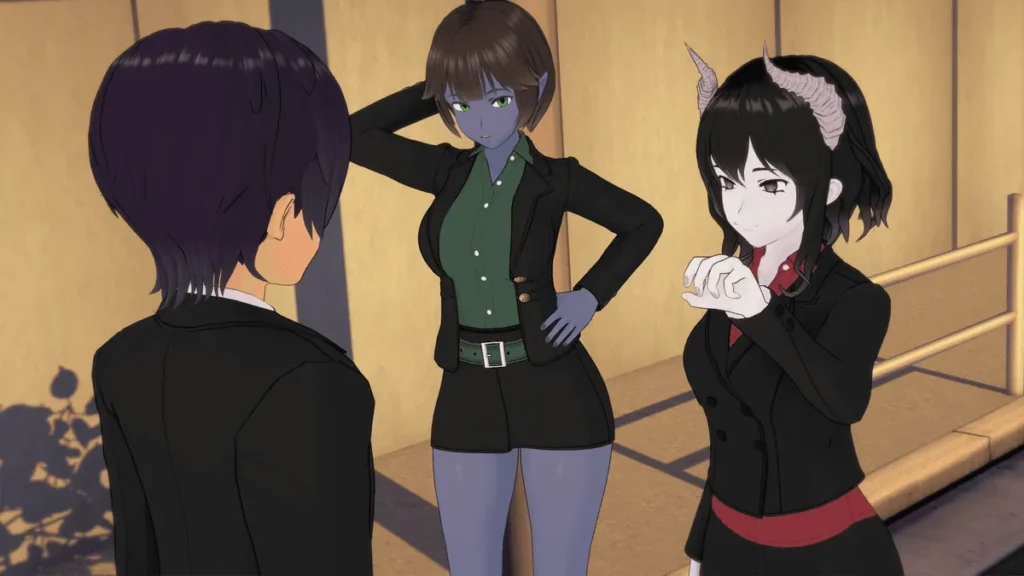
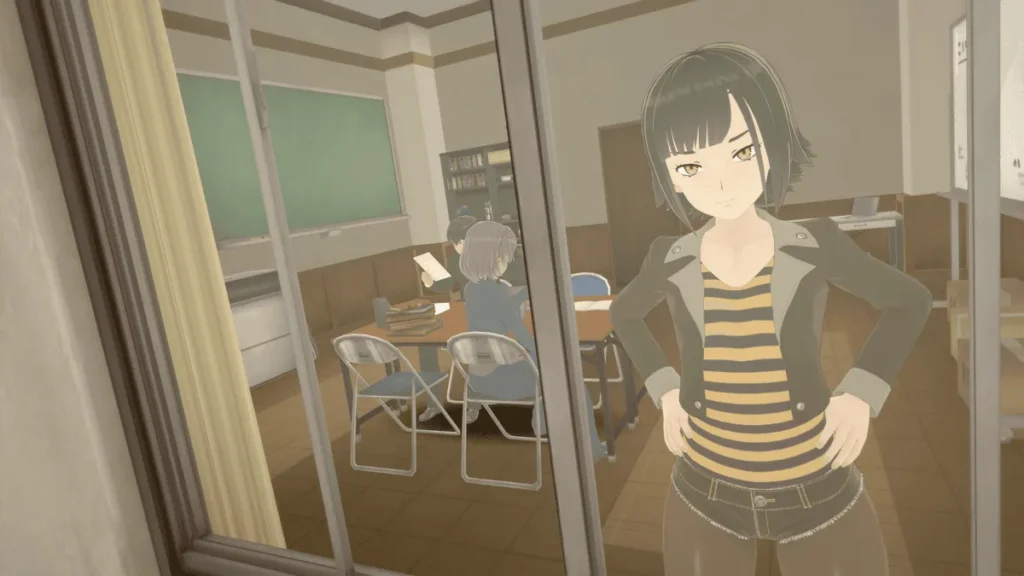

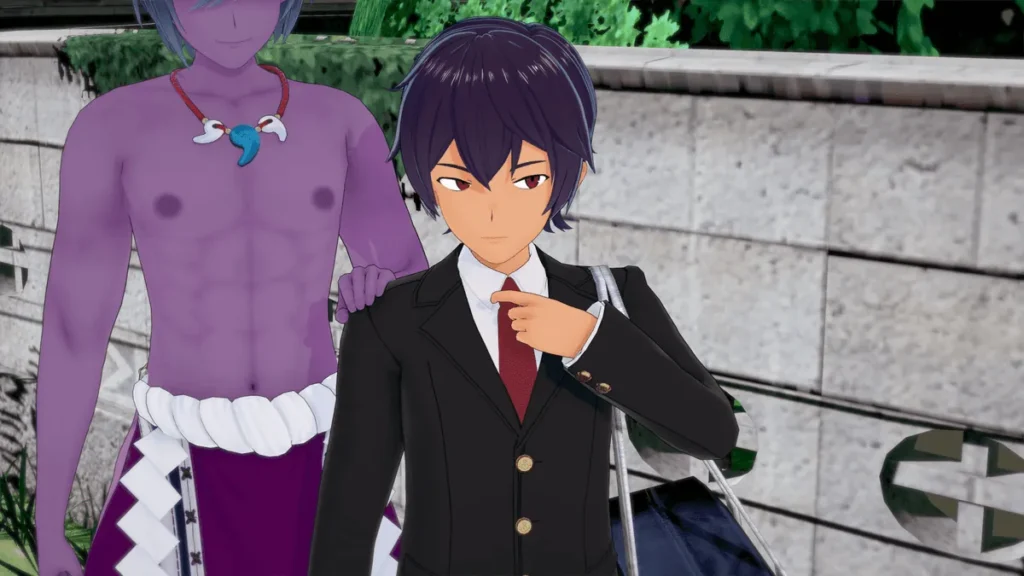
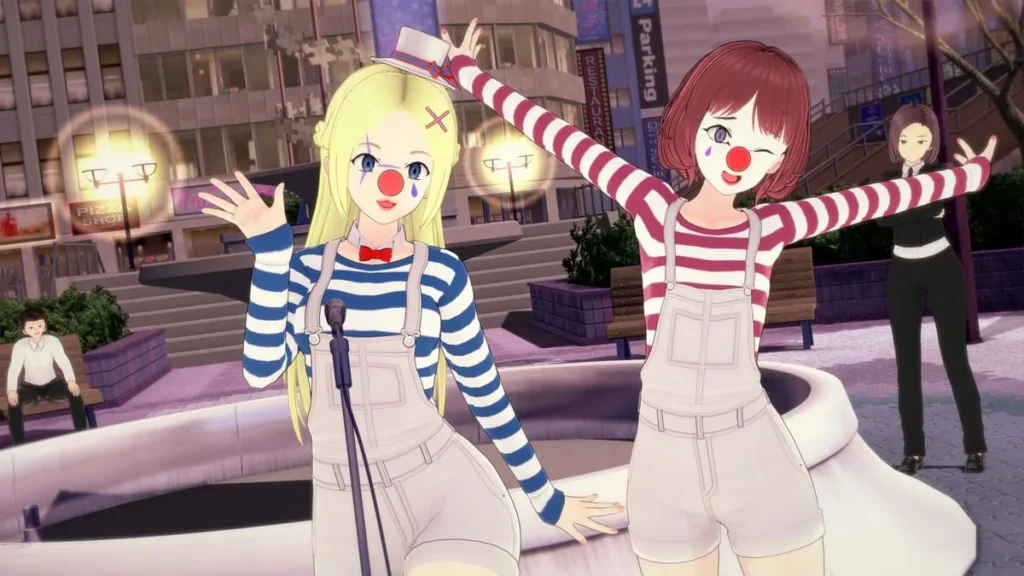
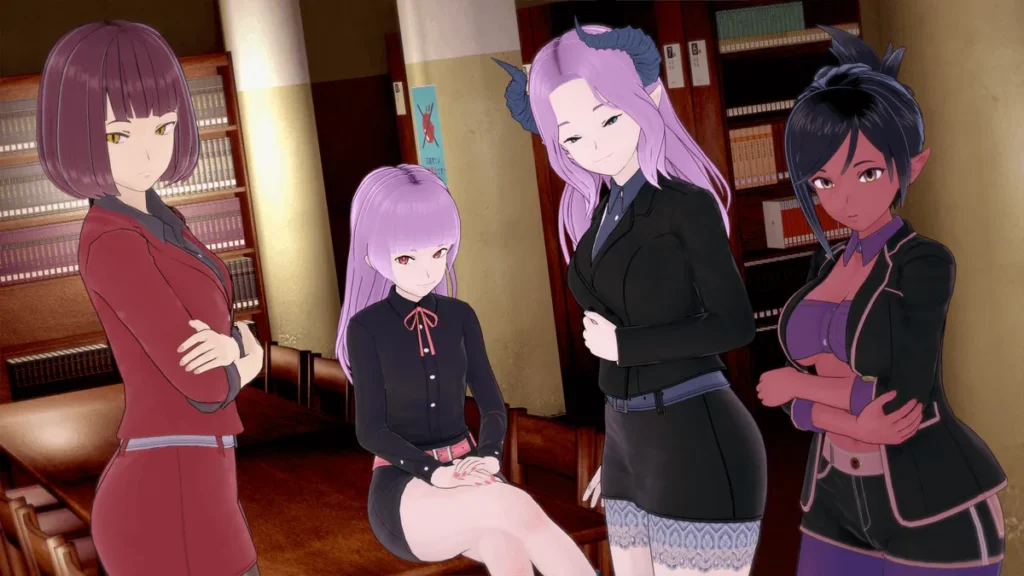
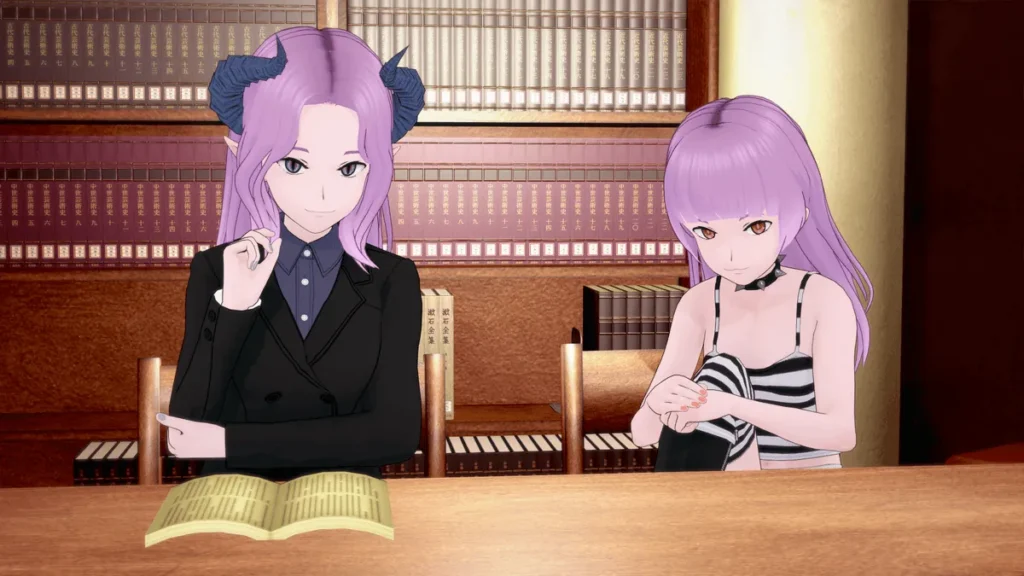
Demons of the Hearth review
Explore the gripping story, choices, and immersive world of this adult visual novel
Ever stumbled upon a game that hooks you with its dark, seductive narrative and leaves you craving more? That’s ‘Demons of the Hearth’ for me—a visual novel where your choices shape a thrilling tale of temptation and intrigue. Developed by Konvel and hosted on itch.io, this adult experience blends rich worldbuilding, diverse characters, and edge-of-your-seat storytelling. From the moment I started playing, the immersive soundtrack and reactive gameplay pulled me in. If you’re wondering what makes Demons of the Hearth stand out in the adult gaming scene, this guide dives deep into its mechanics, story, and why it’s a must-play. Let’s uncover the hearth’s hidden demons together.
What Makes Demons of the Hearth So Addictive?
I still remember my first night with Demons of the Hearth. I settled in, expecting a typical, linear story, and made what I thought was a harmless, slightly flirty comment to one of the characters. The reaction wasn’t just a blush and a new line of dialogue. The character’s entire demeanor shifted, their trust visibly wavering in the following scenes, and a subplot I didn’t even know existed quietly closed off. That’s when it clicked—this wasn’t just reading; this was playing. Every choice felt like it had weight, and I was immediately hooked, diving back in to see what other ripples I could create. 🕯️
This is the magic trick of Demons of the Hearth. It takes the framework of a choice-based visual novel and injects it with such palpable consequence and character depth that you forget you’re clicking through a story. You feel like you’re living it. So, what exactly makes this game so hard to put down? Let’s pull back the curtain.
Unpacking the Core Gameplay Mechanics
At its heart, the Demons of the Hearth gameplay loop is elegantly simple, yet its strategic depth is immense. You are presented with conversations and scenarios, and your primary tool is your choice of reaction. This isn’t just picking from a list of pre-written responses; it’s about selecting an emotional or tactical stance—be it empathetic, confrontational, playful, or withdrawn.
The brilliance lies in the timing and context. How to play Demons of the Hearth effectively isn’t about always being “nice” or “mean.” It’s about observing. Is the character vulnerable and sharing a secret? A harsh reaction might break their trust permanently. Are they testing you? Maybe a playful deflection works better than a serious answer. The game tracks these micro-decisions, weaving them into a unique narrative tapestry that is wholly yours. 🧵
Think of it less like a book with multiple endings and more like directing a film where the actors authentically react to your direction. By the second chapter, the story branches in subtle but significant ways, making your playthrough feel genuinely personal. This strategic layer is what defines the Demons of the Hearth gameplay and sets it apart from more passive experiences.
To see how it stacks up, here’s a look at its position in the genre:
| Game | Choice Depth | Story Focus | Soundtrack Quality |
|---|---|---|---|
| Demons of the Hearth | High (Reactions alter character relationships & plot threads) | Character-driven drama with supernatural mystery | Exceptional, fully scored to match scene tone |
| Game X: Echoes of Desire | Medium (Choices lead to major branching endings) | Romantic drama with light fantasy elements | Good, uses ambient tracks effectively |
| Game Y: City of Shadows | Medium-High (Dialogue choices influence alliances) | Noir thriller with urban fantasy | Minimal, relies on sound effects |
| Game Z: Starlight Reverie | Low-Medium (Choices unlock specific romance paths) | Lighthearted, comedic slice-of-life romance | Basic, repetitive looped music |
Why the Story Keeps You Hooked All Night
The mechanics would mean little without a world worth investing in, and the Demons of the Hearth story delivers a masterclass in immersion. It starts intimately, focusing on your character’s return to a sprawling, inherited home filled with strange, bound inhabitants. What begins as a personal drama of management and uneasy cohabitation quickly spirals into a gripping supernatural mystery.
The pacing is deliberate, allowing you to breathe in the atmosphere and get to know the house’s rhythms before the deeper secrets start to unravel. By the time you hit the pivotal turns in Chapter 2, the narrative has its hooks in you deep. The worldbuilding isn’t delivered through boring lore dumps; it’s etched into the wallpaper, whispered in late-night conversations, and hidden in the family archives you can choose to explore. You’re not just told about the world—you uncover it. 🔍
This is where the best choices in Demons of the Hearth often come from deep engagement with this story. Paying attention to small details in early chapters can inform critical decisions later. Did you notice a character’s aversion to a certain symbol? Did you learn the true history of the west wing? That knowledge becomes your most powerful tool.
Pro Tip: There is rarely a single “correct” choice, but there are informed ones. The game rewards careful observation and emotional intelligence over brute-force trial and error.
To help you dive deeper, here are some actionable tips for navigating this rich narrative:
- Listen, Don’t Just Read 🎧: Pay close attention to how things are said. A character’s hesitation, a change in the music, or a described flicker of emotion in their eyes are all vital clues to their true state and the potential impact of your reactions.
- Embrace Role-Play: Decide on a consistent personality or goal for your protagonist early on. Playing “as yourself” is great, but sometimes committing to a specific archetype (the compassionate healer, the shrewd investigator, the rebellious new master) leads to more coherent and satisfying story arcs.
- Save Strategically: Don’t just rely on autosave. Create manual saves at the start of key interactions or at the beginning of a new day in the game. This lets you explore different conversational paths without losing hours of progress.
- Talk to Everyone, Repeatedly: Characters update their dialogue based on story events and your prior choices. Checking in with everyone after a major plot event can unveil new perspectives, hidden quests, or crucial backstory.
- Explore Everything: The house is a character itself. Click on books, examine portraits, and investigate strange objects. Many of the game’s richest lore bits and clues for the best choices in Demons of the Hearth are found in optional exploration.
- Don’t Fear “Failure”: Some of the most memorable and poignant moments come from choices that close one door but open another, more personal window. A fractured relationship can lead to a powerful solo storyline you’d otherwise miss.
Diving into Character Diversity and Depth
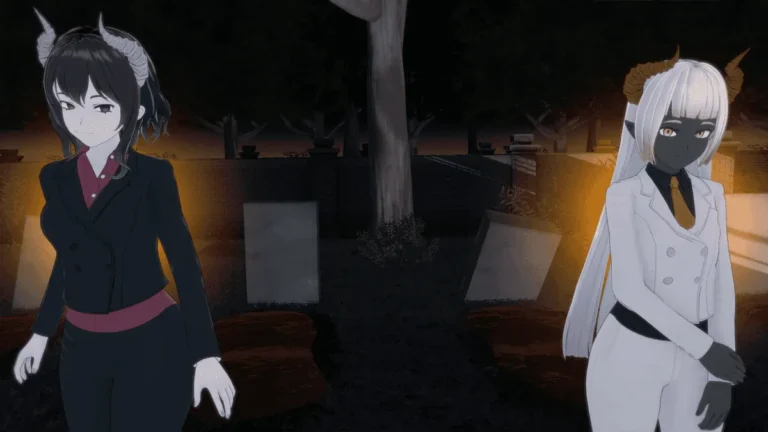
The true soul of any visual novel lives in its cast, and the Demons of the Hearth characters are spectacularly crafted. They are a collection of damaged, fascinating, and deeply complex individuals bound to the estate, each with motivations that range from the tragically mundane to the intricately supernatural.
What’s remarkable is the spectrum of their personalities and backgrounds. You’re not just dealing with archetypes. One moment you might be navigating a tense negotiation with a fiercely proud entity who remembers the house’s founding, and the next, you’re sharing a quiet, awkward moment with a more human resident grappling with a loss of purpose. This diversity ensures there’s someone for every player to connect with—or clash against. 👥
Their depth is revealed through patience. Backstories are doled out sparingly, earned through trust and the right choices. I recall one particularly tense interaction with a character who presented as aloof and cold. A series of consistently gentle, non-prying reactions eventually led to a scene where they broke down, revealing a history of betrayal that reframed every prior interaction. In that moment, the soundtrack swelled with a fragile, piano-led piece that made the confession feel heartbreakingly real. This fusion of writing, player choice, and audio is where the game ascends from good to unforgettable.
This brings me to a key part of any Demons of the Hearth review: the technical craft. The soundtrack is a silent protagonist. It doesn’t just accompany scenes; it defines their emotional temperature. A conversation in the sun-drenched garden feels different from the same conversation in a dusty library at midnight, thanks largely to the score. It elevates every moment, making the world feel alive and cohesive.
In my final estimation, the replay value is through the roof. My first playthrough was my story—flawed, messy, and deeply personal. My second was an experiment in different choices, unlocking bitter confrontations, unexpected alliances, and romantic subplots I had missed entirely. The Demons of the Hearth story is not a single tale, but a web of possibilities waiting for you to trace your unique path through it. If you’re looking for a choice-based visual novel that respects your intelligence, rewards your attention, and stays with you long after you’ve closed the game, your hearth awaits. 🔥
Demons of the Hearth isn’t just another adult game—it’s a masterclass in immersive storytelling, deep characters, and meaningful choices that keep you coming back. From my late-night sessions glued to the screen, reacting to every twist, I’ve seen how its worldbuilding and soundtrack create something truly special. Whether you’re a visual novel fan or new to the genre, dive in, experiment with paths, and let the hearth’s secrets unfold. Grab it on itch.io today, make your choices wisely, and share your wildest endings in the comments below—what’s your favorite character moment?