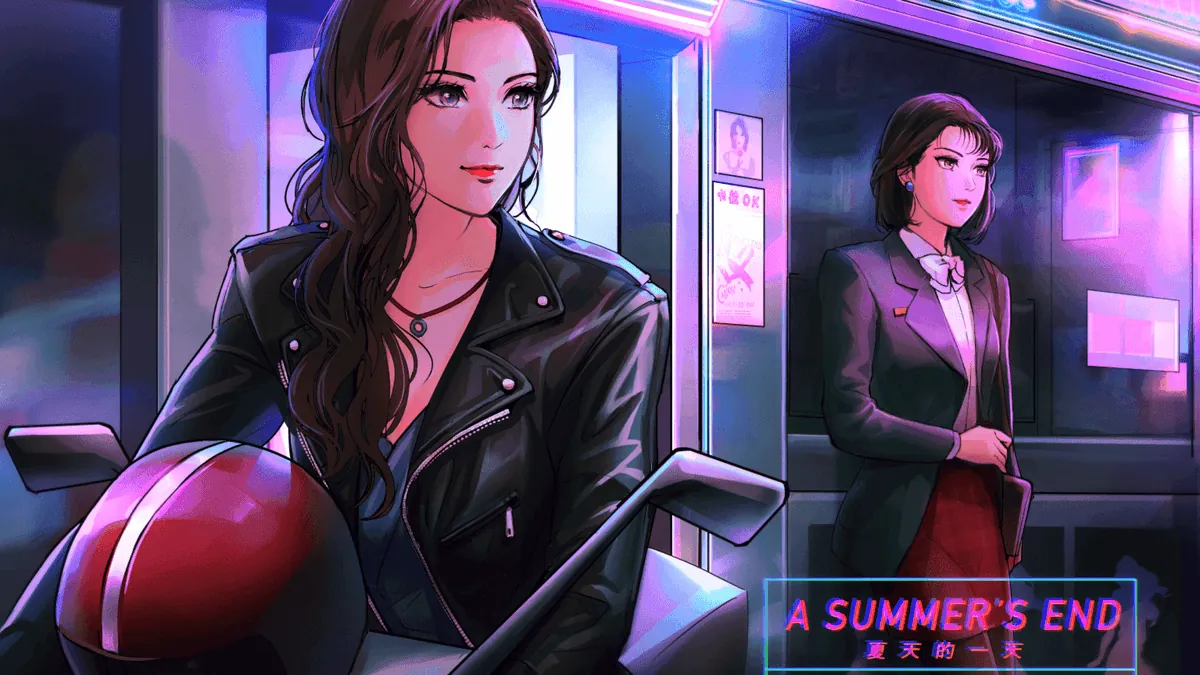
A Summer’s End – Hong Kong, 1986
Play A Summer’s End – Hong Kong, 1986
A Summer’s End – Hong Kong, 1986 Screenshots






A Summer’s End – Hong Kong, 1986 review
Explore Oracle and Bone’s debut narrative experience set in 1980s Hong Kong
A Summer’s End – Hong Kong 1986 stands as Oracle and Bone’s ambitious debut title, delivering a narrative-driven visual novel experience that captures the essence of 1980s Hong Kong through intimate storytelling. This visual novel combines rich historical detail with compelling character development, creating an unforgettable summer encounter that evolves into a romantic narrative. Whether you’re a visual novel enthusiast or new to the genre, this guide explores what makes A Summer’s End a standout title in interactive fiction, examining its narrative depth, atmospheric setting, and the emotional resonance that has garnered attention from players worldwide.
Understanding A Summer’s End – Hong Kong 1986: Story, Setting & Characters
Let’s be honest, most stories about a chance summer encounter promise magic, but so few actually deliver it. We’ve all clicked through predictable dialogues in games where the setting is just a pretty postcard. What if I told you there’s a game where the city itself breathes, argues, dreams, and falls in love alongside its characters? 🏙️✨ That’s the profound achievement of A Summer’s End – Hong Kong 1986, the stunning debut from Oracle and Bone. This isn’t just a backdrop; it’s a living, pulsating character in its own right.
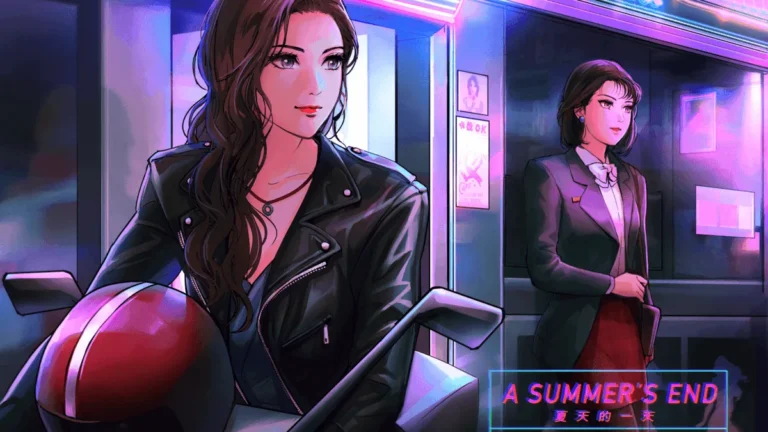
My first time booting it up, I was struck by a wave of nostalgic warmth I hadn’t expected. The synth-pop soundtrack, the muted yet vibrant color palette of neon and dusk—it didn’t feel like I was starting a game. It felt like stepping into a memory, one that was both intimately personal and grandly historical. This visual novel narrative experience is a masterclass in how place and period are not just scenery, but the very soil from which romance and identity grow.
What Makes the Hong Kong 1986 Setting Unique
Forget generic cityscapes. The Hong Kong of 1986 in this game is a soul, not just a location. 🎆 We’re in a thrilling, precarious moment in time: the city is a booming economic tiger, buzzing with Western influence and pop culture, yet it’s also shadowed by the looming 1997 handover. There’s a tangible tension in the air—a collective feeling of living vividly in a “borrowed place, on borrowed time.” Oracle and Bone don’t just tell you this; they make you feel it in every frame.
You see it in the details: the fashion (shoulder pads and perms!), the music blaring from cafes, the specific brands advertised on billboards. You hear it in the seamless blend of English and Cantonese in the dialogue, which isn’t a gimmick but an authentic representation of the city’s bilingual heartbeat. This Hong Kong 1986 setting story is built with meticulous care, creating a world that feels lived-in and true. It provides the perfect pressure cooker for our protagonists. In a society buzzing with change yet holding onto tradition, their personal journey of self-discovery mirrors the island’s own existential query.
This historical authenticity does more than set a mood; it creates authentic conflict and connection. Where two characters might meet, what they talk about, and the societal pressures they face are all direct products of this specific time and place. The chance meeting between Michelle and Sam at a video store isn’t just a cute meet-cute; it’s a moment that could only happen in that era, fueled by the specific cultural imports of the time. The setting is the silent third protagonist, shaping every glance and every unspoken word.
To understand how these elements fuse together, let’s break down the core narrative components that make this interactive fiction Hong Kong experience so distinct:
| Narrative Element | How It Manifests in the Game | Contribution to the Story |
|---|---|---|
| Setting & Period | 1986 Hong Kong; pre-handover anxiety mixed with economic boom. Neon-lit streets, video stores, bustling family apartments. | Creates a backdrop of transient beauty and societal pressure, directly influencing the characters’ urgency and personal conflicts. |
| Core Themes | Self-discovery vs. familial duty, authenticity in a changing world, the fleeting nature of time and connection. | Drives the emotional core of the romance, making it about more than attraction—it’s about choosing a path for one’s life. |
| Character Archetypes | Michelle (the structured office worker) and Sam (the free-spirited artist). They are types but are deeply fleshed out by their context. | Their dynamic explores the clash and harmony between tradition and modernity, responsibility and passion, which is central to the city’s own identity. |
| Story Structure | A linear narrative with key branching choices focused on emotional honesty and deepening connection, not arbitrary plot twists. | Ensures the visual novel romantic storyline feels organic and character-driven, with player agency influencing the relationship’s tone and depth. |
Character Development and Romantic Narrative
At the heart of this rich setting are two women who will stay with you long after the credits roll. Michelle, a disciplined office worker adhering to her family’s expectations, and Sam, a charismatic artist living with a captivating, rebellious freedom. 🎨❤️🔥 On paper, it’s a classic opposites-attract scenario. But what makes the character development romance visual novel elements here so powerful is how their differences are not just personality quirks, but reflections of the societal forces at play in 1986 Hong Kong.
Michelle’s journey is one we can all relate to: the tension between who you are expected to be and who you truly are. Her structured life begins to crack and let in light the more time she spends with Sam. It’s not an instant transformation, but a hesitant, believable unfurling. Sam, for all her outward confidence, carries her own vulnerabilities and past wounds. Their romance isn’t presented as a magical cure for their problems, but as a catalyst for confronting them.
“The romance doesn’t feel like a plot device, but the plot itself—a careful, poignant study of two people finding the courage to be real in a world of facades.”
This quote from a critic perfectly encapsulates the magic. Your choices as the player don’t typically alter the plot’s major milestones in a wild way. Instead, they shape the quality of Michelle and Sam’s connection. Will you have Michelle open up about her family pressures, or shy away? Will you encourage a moment of playful flirtation, or maintain a cautious distance? This is where the visual novel narrative experience truly shines. You’re not steering a car through different story roads; you’re tuning the emotional frequency between two people. It’s incredibly intimate.
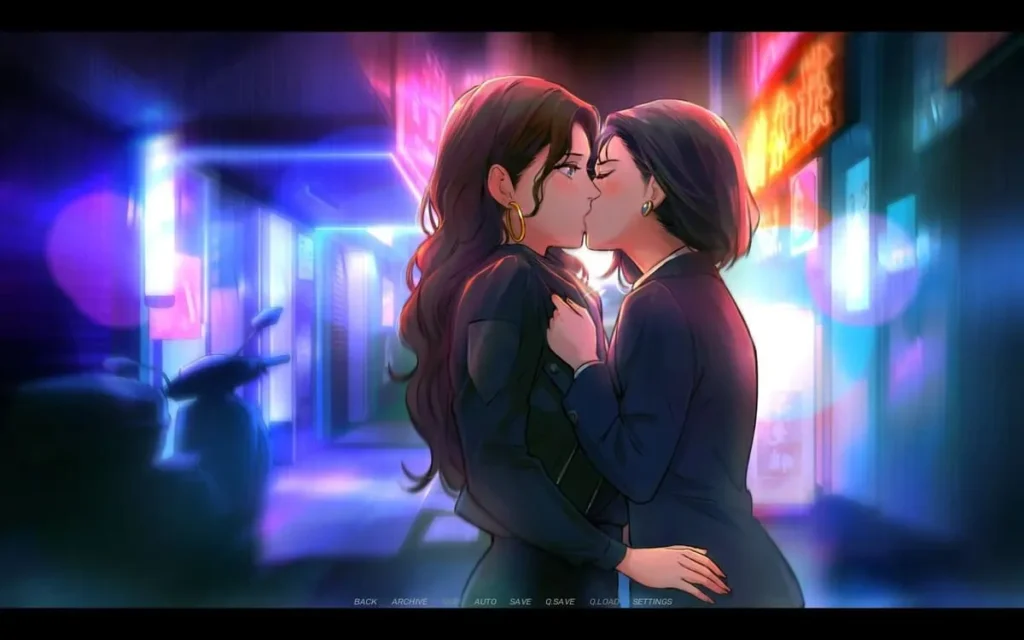
The pacing of their relationship is masterful. It captures the slow burn of a real connection—the lingering glances, the shared jokes that become your secret language, the heart-fluttering moments of accidental touch. The writing gives their bond room to breathe, making every step forward feel earned and profoundly satisfying. This mature approach to storytelling means the game balances themes of desire, identity, and duty with a graceful, engaging hand that never feels melodramatic or trivial.
Narrative Structure and Gameplay Experience
So, how does this all work as a game? If you’re new to the genre, fear not. A Summer’s End – Hong Kong 1986 is a perfect entry point. As an interactive fiction Hong Kong title, its gameplay is centered on reading beautifully illustrated scenes and making choices at key moments. 🎮📖 Think of it less as a “game” you win or lose, and more as a participatory story where you guide the emotional heartbeat.
The structure is elegant in its simplicity. The story unfolds over several chapters, each representing a moment in Michelle and Sam’s evolving summer. The brilliance lies in how your choices are integrated. You won’t see a morality meter or points system. Instead, choices often present themselves as internal thoughts for Michelle or dialogue options in conversation. They are subtle, focusing on vulnerability, honesty, and courage. Do you give a genuine compliment or make a deflecting joke? Do you ask a probing question or let the moment pass?
This design philosophy means every playthrough feels personal. While the overall story arc remains consistent (this is a specific, authored tale Oracle and Bone wanted to tell), your experience of that romance will be uniquely colored by the small intimacies you chose to foster or let slip. It highlights the game’s core truth: in relationships, it’s often the smallest moments of bravery that change everything. This focused approach is what makes this Oracle and Bone debut game so confident and memorable; it knows its strengths and delivers on them without clutter.
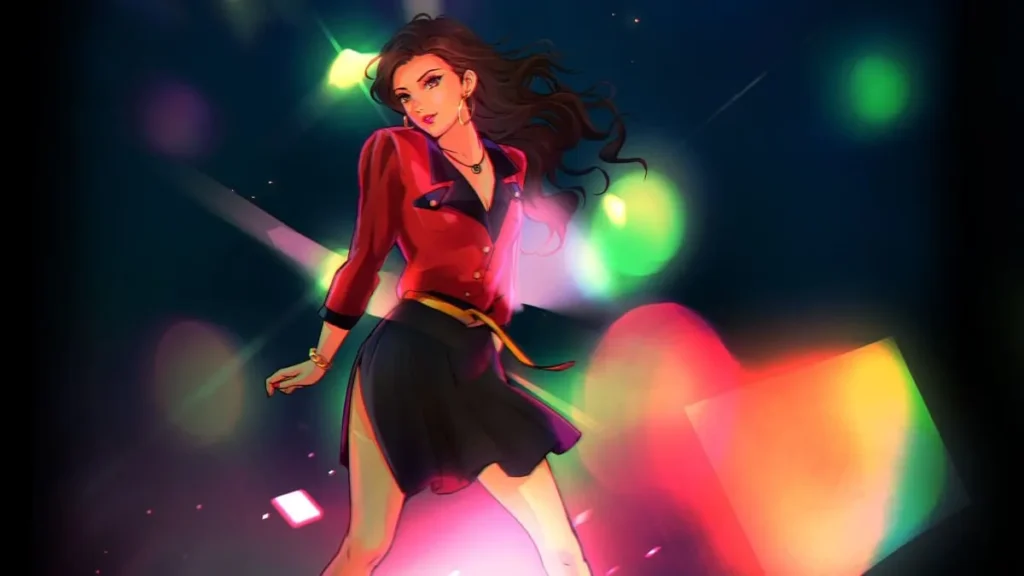
The visual and audio presentation is the final, crucial piece. The art style is a loving homage to 80s anime and Hong Kong cinema, with a modern clarity that makes every scene a beautiful piece of static animation. The soundtrack is a character all its own—a mix of nostalgic synth-wave and softer, poignant melodies that wrap around you. Together, they create an atmosphere that is utterly absorbing, making you lean into every conversation and savor every quiet, meaningful look.
Ultimately, A Summer’s End – Hong Kong 1986 visual novel is more than the sum of its parts. It’s a time capsule, a love letter, and a deeply moving character study all at once. It proves that a visual novel romantic storyline can carry as much weight, resonance, and beauty as any other narrative art form. By the end of that Hong Kong summer, you won’t just feel like you’ve witnessed a story—you’ll feel like you’ve lived a piece of it, and you’ll be quietly grateful for the journey.
A Summer’s End – Hong Kong 1986 represents a significant achievement in visual novel storytelling, combining atmospheric world-building with emotionally resonant character narratives. Oracle and Bone’s debut successfully captures the charm and complexity of 1986 Hong Kong while delivering a romance narrative that engages players through meaningful choices and authentic character development. The game’s availability on multiple platforms ensures accessibility for players seeking this unique interactive fiction experience. For those interested in narrative-driven games that prioritize storytelling depth and historical authenticity, A Summer’s End offers a compelling summer encounter that lingers long after the credits roll. Explore this visual novel to experience how interactive fiction can create unforgettable emotional connections through carefully crafted narratives and immersive settings.