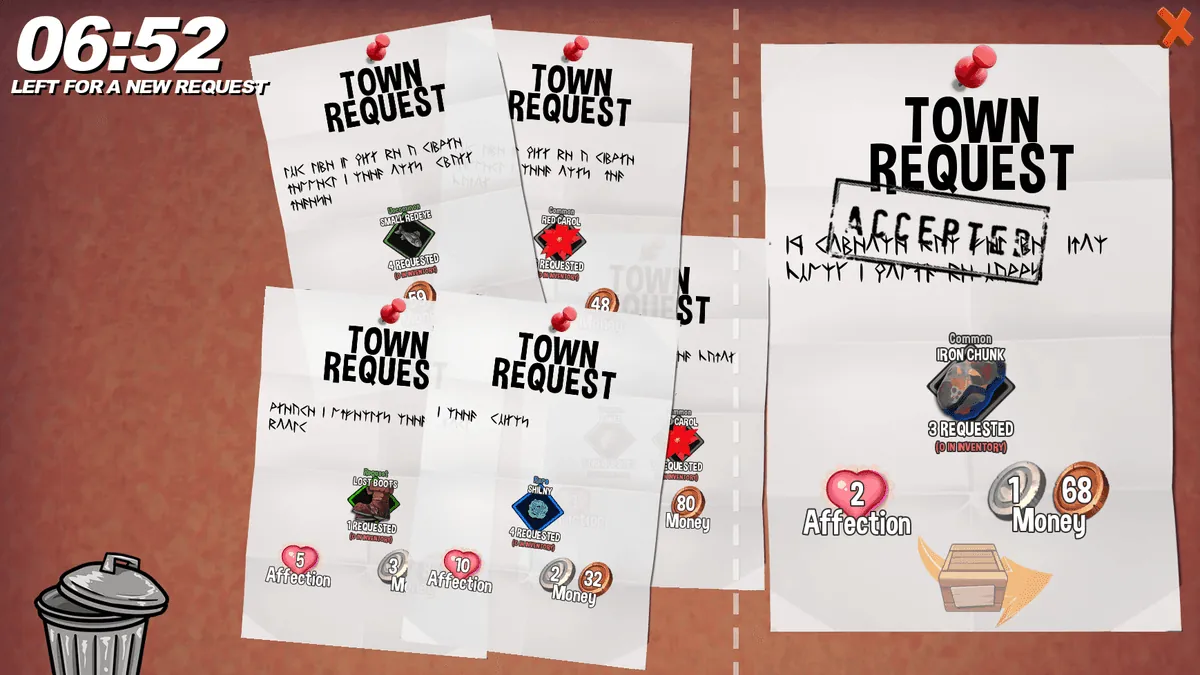
Midlife Crisis
Play Midlife Crisis
Midlife Crisis Screenshots






Midlife Crisis review
Explore the interactive experience that captures the complexity of middle-age transitions
The Midlife Crisis game offers a unique interactive experience that explores one of life’s most transformative periods. This narrative-driven simulation allows players to navigate the emotional, professional, and personal challenges that define middle age. Whether you’re curious about the game’s mechanics, storyline, or how it handles complex life themes, this guide provides comprehensive insights into what makes this game a compelling exploration of human experience during life’s pivotal moments.
Understanding the Midlife Crisis Game: Core Mechanics and Gameplay
Let’s be honest—we’ve all seen the clichés. The flashy red sports car, the sudden obsession with vinyl records, the bewildering online shopping cart full of hobby gear you’ll never use. 🚗🎸 The popular idea of a “midlife crisis” often feels like a punchline, reducing a profound, complex life stage to a series of silly purchases.
But what if you could explore that transition not as a joke, but as a meaningful, intricate journey of self-discovery? That’s exactly what the Midlife Crisis game offers. This isn’t just another life simulator; it’s a deeply reflective, interactive narrative gameplay experience that uses the power of play to hold up a mirror to our own lives. It transforms the anxiety and opportunity of middle age into a captivating, choice-driven adventure.
What Makes This Game Unique in Interactive Storytelling
Forget simple time management or grinding for cash. The core genius of this life simulation game is its unwavering focus on consequence and meaning. While many games let you build an empire or save the world, this one asks a more intimate question: Are you building a life you actually want to live? 🏡💭
The foundation is its branching storyline choices. Every decision, from what you say to your partner over breakfast to whether you invest in a risky career pivot, doesn’t just give you “+5 Charisma.” It subtly alters the narrative landscape, closing some doors while opening others you never knew existed. This creates a powerfully personal interactive narrative gameplay loop: make a choice, live with the immediate and long-term consequences, and see how your character’s world—and their sense of self—evolves in response.
To tailor this experience to different players, the game offers modes that fundamentally change how you engage with its themes. Whether you want a thoughtful exploration or a high-stakes juggling act, there’s a setting for you.
| Gameplay Mode | Core Philosophy | Impact on Midlife Crisis Experience |
|---|---|---|
| Reflective Mode 🧘 | Journey Over Outcome | Slower pace, reduced financial pressures, and more narrative signposting. Focuses on emotional exploration and story discovery, making the interactive narrative gameplay the primary focus. Ideal for players who want to experience all story branches. |
| Authentic Mode ⚖️ | Balanced Realism | The standard experience. Resources like time, energy, and money are limited, forcing meaningful trade-offs. Relationships require consistent effort, and career success isn’t guaranteed. This is where the midlife crisis game mechanics shine brightest, simulating real-world opportunity costs. |
| Intense Mode 🔥 | High-Stakes Simulation | A relentless test of prioritization. Stress accumulates quickly, neglected relationships deteriorate faster, and financial setbacks are severe. This mode amplifies the crisis, making every branching storyline choice feel urgent and critical, perfect for players seeking a tough management challenge. |
My first playthrough was in Authentic Mode. I created Alex, a 45-year-old project manager feeling invisible at work and distant at home. I decided to have Alex reignite a long-dormant passion for woodworking. It was a small choice, just an evening class. But the game’s brilliant decision-based gameplay didn’t just log “Hobby Started.” It started a chain reaction: Alex was tired on Tuesday nights, sometimes snapping at his partner. He spent money on tools, triggering a mild argument about finances. Yet, he also met new people at the class, boosting his “Social Fulfillment” metric. The game was showing me, in real-time, how pursuing personal joy isn’t a vacuum—it ripples into every other aspect of life.
How Gameplay Mechanics Reflect Real-Life Decisions
This is where the midlife crisis game mechanics become something special. They are designed not to be fun in a traditional, power-fantasy sense, but to be authentically resonant. The game brilliantly translates amorphous life anxiety into tangible, interactive systems.
At the heart of it all is the Life Balance Matrix. This isn’t a single health bar, but a dynamic web of interconnected meters tracking Career, Relationships, Health, Finance, and Personal Fulfillment. You can’t max them all out. Investing extra hours for a promotion (Career ↑) might drain your Energy (Health ↓) and cause you to miss a family event (Relationships ↓). The game forces you to ask: What am I willing to sacrifice, and for what? This constant negotiation is the essence of its decision-based gameplay.
Let’s walk through a classic example to see these midlife crisis game mechanics in action.
Scenario: It’s Friday. Your character has had a draining week. You receive three prompts simultaneously:
1. Your boss emails: “Can you join a critical video call tonight to prep for Monday’s pitch?” (Career Opportunity)
2. Your spouse texts: “You promised we’d finally try that new restaurant tonight. Table’s booked for 8.” (Relationship Commitment)
3. Your personal journal notification pops up: “Your weekly writing group meets tonight. You’ve missed the last two.” (Personal Fulfillment)
Player Tip: There is no “correct” answer. The game is measuring your consistent pattern of choices. Always choosing work defines a different character arc than always choosing family or self.
You can only realistically choose one. Here’s how the branching storyline choices could play out:
- Choose the Work Call: Immediate boost to “Work Project Momentum” and your boss’s opinion. However, your spouse’s “Trust” metric takes a hit, and a hidden “Resentment” counter may tick up. Later, your character might have a dialogue option where they feel guilty or defensive about it. The “Personal Fulfillment” meter drops, and the writing group’s storyline might fade away, as characters there stop inviting you.
- Choose the Dinner: Your spouse’s “Connection” and “Happiness” meters get a significant boost, potentially unlocking a new, intimate conversation branch later that night. Your boss’s “Reliability” score dips slightly. You lose the chance for a short-term career boost, but you maintain a crucial life pillar.
- Choose the Writing Group: Your “Creative Expression” and “Social Circle” stats increase. You might meet a new character who later offers a freelance opportunity (unlocking a new career branch). Your spouse’s “Disappointment” rises, and your “Work Stress” might increase on Monday due to being less prepared.
This is more than a simple moral choice. It’s a life simulation game capturing the genuine weight of adult life. The game remembers. A pattern of choosing work might lead to a promotion (a narrative event), but also to a strained home life where your partner presents you with separation papers—a devastating narrative turn that is earned by your prior decisions.
Character Development and Personal Growth Systems
In most RPGs, a character progression system is about getting stronger, faster, and more powerful. In the Midlife Crisis game, progression is about wisdom, self-awareness, and integration. You don’t “level up” to become a superhero; you grow into a more complete, often more nuanced, human being. 🌱
Progression is tracked through two primary lenses: Skills & Resources and Traits & Perspectives.
Your character develops practical Skills (e.g., Communication, Financial Planning, Conflict Resolution) through use. Successfully navigating a tough conversation with your teenage child will slowly increase your Communication skill, making future tense dialogues have more positive potential outcomes. Resources (Savings, Social Connections, Professional Network) are your tangible buffers against life’s shocks.
The more profound system is the Traits & Perspectives matrix. This is the emotional and psychological core of your character. Your branching storyline choices don’t just change events; they change who your character is. Consistently choosing bold, risky options might cultivate the “Reckless” or “Visionary” trait. Prioritizing family through thick and thin nurtures the “Loyal” or “Compassionate” trait. These aren’t just labels; they actively filter your future choice options and how other characters perceive and react to you.
For example, in my playthrough, after Alex (my woodworking project manager) finally stood up to his dismissive boss, he unlocked the “Assertive” trait. Later, in a conversation with his partner, a new, more direct dialogue option appeared, prefaced with [Assertive]: “I need to talk about how I’ve been feeling, not just what we need to do.” This trait, earned through a career struggle, now enriched his personal relationship, demonstrating the game’s sophisticated, holistic character progression system.
This system makes the Midlife Crisis game a profound relationship management game. Relationships aren’t managed with simple “gift” buttons. They are complex narratives that evolve based on your traits, your history of kept/broken promises, and your emotional availability during key moments. You might need to use your improved Communication skill, guided by your Compassionate trait, to mend a friendship you neglected during a work crunch. The relationship management game aspect is woven directly into the narrative and progression, making every connection feel earned and fragile.
Ultimately, the game’s finale isn’t about reaching a specific financial goal or job title. It’s about arriving at a moment of reckoning—often around your character’s 50th or 55th birthday—where the game reflects your journey back to you. It shows you the map of the life you built, the relationships you nurtured or neglected, the dreams you chased or abandoned. The “win state” is subjective: it might be contentment, a sense of peace, exciting new beginnings, or even poignant regret. It’s a conclusion defined entirely by the sum of your midlife crisis game mechanics interactions.
By blending a sensitive life simulation game framework with deep interactive narrative gameplay, this experience does something remarkable. It turns the daunting, often silent questions of middle age into a space for safe, curious, and impactful exploration. It proves that the most compelling adventure might not be in a fantasy realm, but in the quiet, courageous act of choosing who we want to be. 🧭✨
The Midlife Crisis game stands as a thoughtful exploration of one of life’s most challenging periods, offering players a safe space to navigate complex decisions and emotional landscapes. Through its sophisticated mechanics, authentic narrative scenarios, and nuanced character systems, the game succeeds in capturing the multifaceted nature of midlife transitions. Whether you’re drawn to the game for its storytelling depth, its psychological realism, or its unique approach to mature gaming themes, it provides a meaningful interactive experience that encourages reflection on life choices, relationships, and personal fulfillment. For those seeking a game that treats adult experiences with respect and complexity, the Midlife Crisis game delivers a compelling and memorable journey through one of life’s most transformative chapters.